If your Sugar Mill Pond home looks beautiful in person but falls flat online, staging may be the missing piece. In a neighborhood known for walkable design, porch-centered streetscapes, and polished community presentation, buyers are not just comparing square footage. They are imagining a lifestyle. This guide will show you how to stage your home in a way that fits Sugar Mill Pond’s design language, photographs well, and helps buyers connect quickly. Let’s dive in.
Why Sugar Mill Pond staging is different
Sugar Mill Pond is not a typical subdivision. Its governing documents describe it as a mixed-use traditional neighborhood development built around pedestrian movement, public spaces, and close connections between homes, shops, and civic uses.
That matters when you sell. Buyers are responding to more than your floor plan. They are also taking in the tree-lined streets, sidewalks, green spaces, porch presence, and the overall visual order of the neighborhood.
A generic “luxury” staging plan can miss that mark. The strongest approach here is design-forward but restrained, with a focus on light, flow, and a home that feels naturally connected to the community around it.
Start with the porch, not the garage
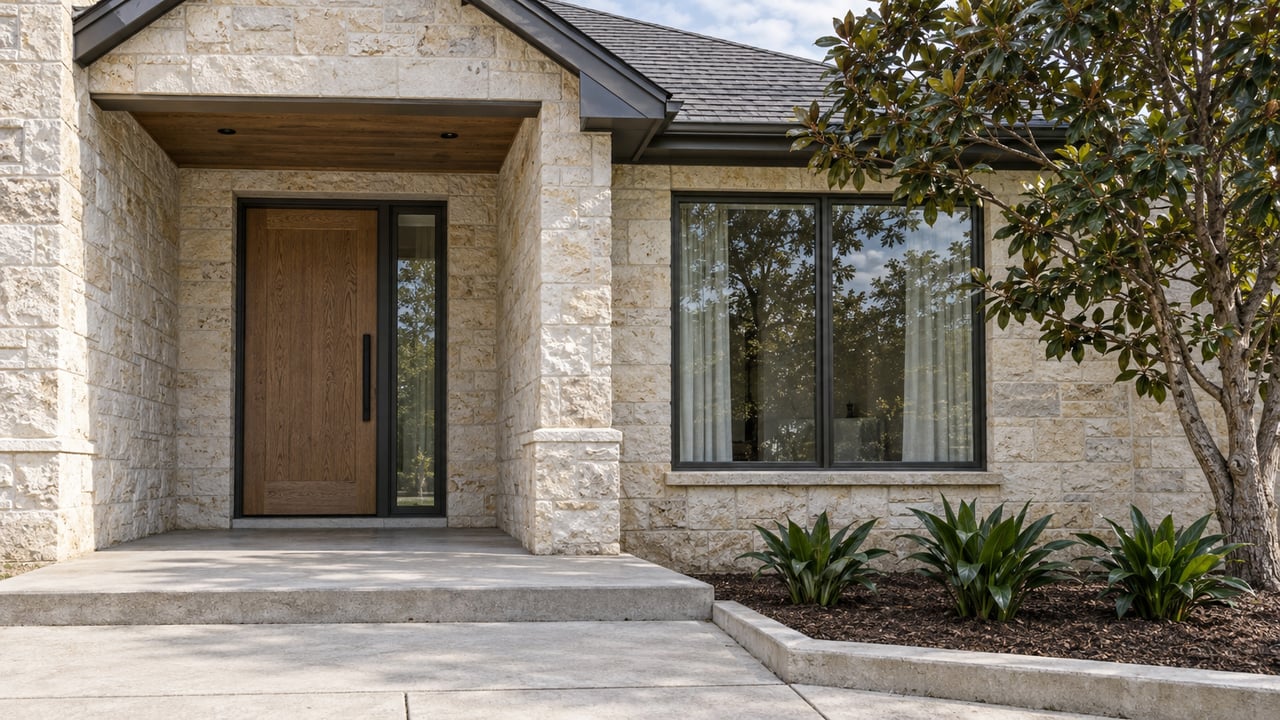
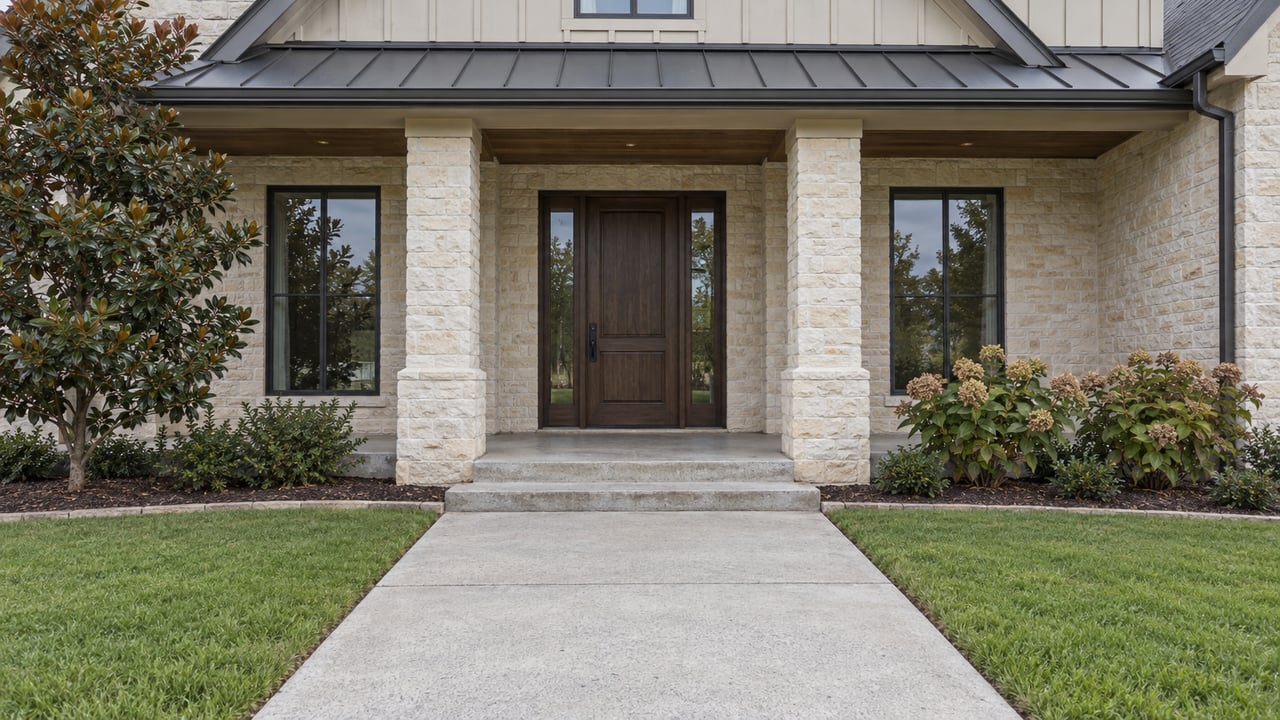
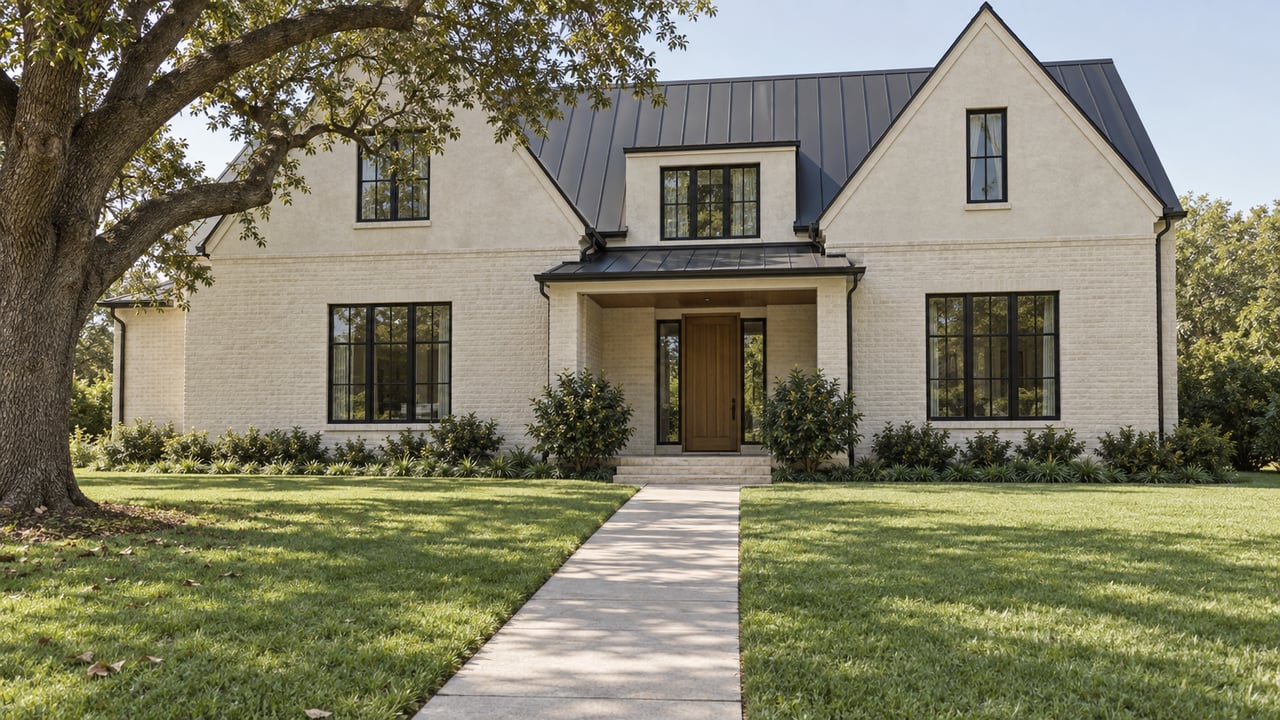
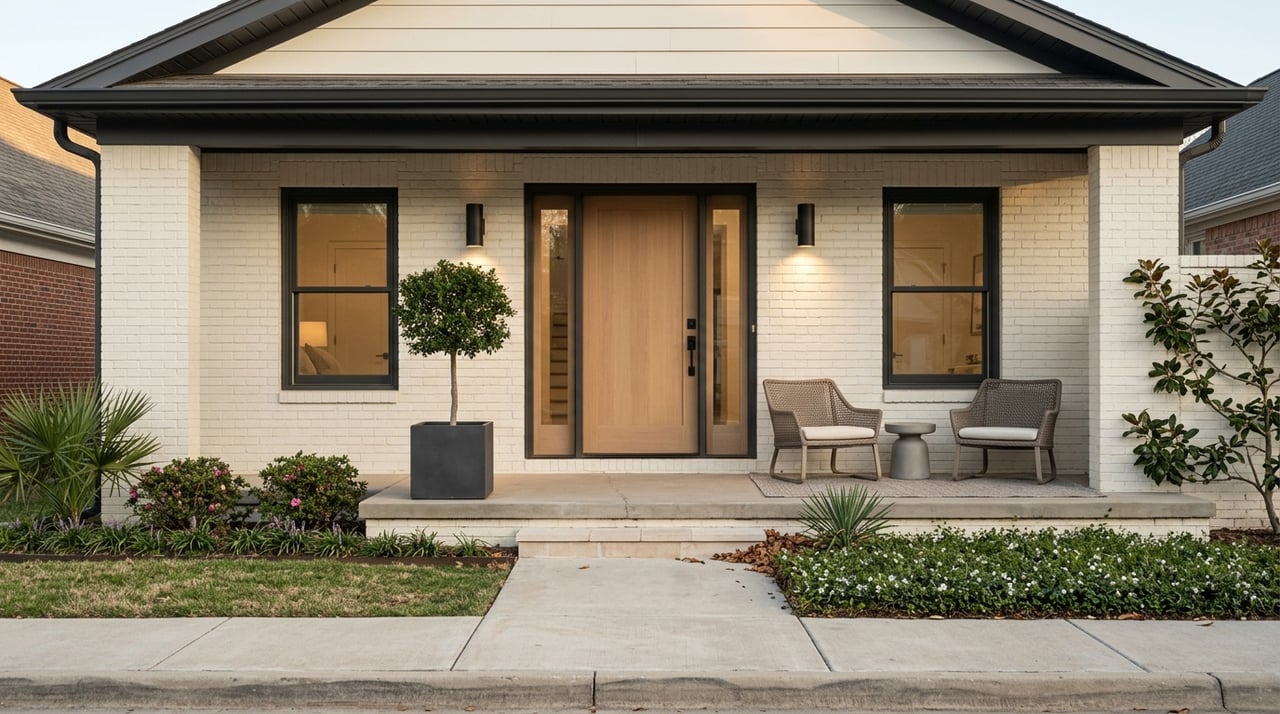
In Sugar Mill Pond, the front porch often deserves top billing. The neighborhood’s design rules place strong emphasis on frontages, porch design, and rear-loaded or visually secondary parking, which means the exterior story should begin with a welcoming entry rather than a garage-focused photo.
Before photos or showings, simplify everything visible from the street. Remove excess furniture, tired planters, seasonal clutter, and anything that distracts from the architecture. A clean porch with a few scaled pieces can help buyers see the home’s character right away.
Front presentation also matters because the resident guidelines restrict visible clutter and exposed storage items. If bins, trailers, boats, oversized equipment, or extra vehicles appear in view, they can work against the polished impression buyers expect in this neighborhood.
Porch staging tips that fit the neighborhood
- Use a small seating grouping if the porch size allows
- Keep cushions and textiles simple and neutral
- Add one or two healthy planters for softness
- Make sure the front door area feels open and easy to approach
- Avoid crowding railings or blocking architectural details
The goal is to create a porch that feels gracious and lived-in, not overdesigned. You want buyers to picture morning coffee, evening conversations, and a home that fits the rhythm of a walkable community.
Create calm, edited interiors
Sugar Mill Pond homes often include cottages, townhomes, and moderately sized floor plans with open living areas, kitchen-to-living connections, high ceilings, and architectural features like arched openings and fireplaces. In these homes, staging works best when it clarifies how each space functions without making rooms feel smaller.
That usually means fewer pieces, better scale, and stronger sightlines. Oversized furniture, too many accent items, or heavy layouts can make a compact room feel crowded in photos and in person.
Instead, let the architecture lead. If you have an arched opening, a fireplace, or a clear line from the kitchen to the living area, keep those features visually open so the home reads as bright and connected.
What to edit before listing photos
- Extra side tables or chairs that tighten walkways
- Bulky decor that interrupts visual flow
- Dark or heavy window treatments
- Personal collections that dominate shelves or walls
- Kitchen counter items beyond a few intentional accents
When buyers scroll through listings online, clean composition matters. In Youngsville, where most households report broadband access, your online presentation is a major part of your first showing.
Define each room with purpose
One of the biggest staging mistakes in smaller or moderately sized homes is leaving buyers to guess how a space works. An open corner, bonus nook, or combined living and dining area can feel awkward if it is empty, but it can feel even smaller if it is overfilled.
The fix is simple: define each zone clearly. A rug, properly scaled table, or pair of chairs can show function without adding visual noise.
For example, if your main area includes living and dining in one open span, use staging to create separation while keeping the room airy. If you have a flex space, show one strong use, such as a reading corner or compact work area, instead of trying to suggest three uses at once.
Best staging priorities by home type
Cottages
Keep layouts light and practical. Use furnishings that show everyday comfort, but avoid anything too bulky that competes with the room’s proportions.
Townhomes
Highlight vertical space and clean transitions from one level or area to the next. A tidy, cohesive color palette helps the home feel larger and more refined.
Pond-oriented homes
Let the view do part of the work. Keep furniture lower near windows and use light window treatments so buyers notice the water, green space, or walking-path setting.
Let natural light and views lead
Sugar Mill Pond is marketed as a lifestyle community, and homes that connect well to outdoor spaces tend to benefit from that story. If your property has a patio, porch, pond-facing room, or strong natural light, staging should support those assets instead of competing with them.
Open up the window areas. Pull attention toward views, not away from them. If a room looks onto the central water feature or a green space, keep that sightline as open as possible during photos and showings.
This is especially important in living areas and primary suites. Buyers tend to remember rooms that feel peaceful, bright, and connected to the setting.
Use a photo strategy built for online buyers
In Sugar Mill Pond, a home listing is often selling both the house and the neighborhood experience. Community marketing highlights features like green spaces, an amphitheater, shops, restaurants, and recreation, so buyers are often evaluating how your home fits that broader lifestyle.
That means your listing photos should tell a clean, logical story. The strongest sequence usually starts with the exterior and porch, then moves through the entry, main living area, kitchen, dining area, primary suite, and any outdoor or view-facing spaces.
A rushed or cluttered photo set can weaken an otherwise strong home. Even small distractions can stand out when buyers are scrolling quickly on their phones.
Photo-day checklist for Sugar Mill Pond sellers
- Clear the porch and front walk
- Move visible bins and excess vehicles out of frame
- Hide cords, pet items, and countertop clutter
- Open blinds or curtains to maximize light
- Turn on key lamps and overhead fixtures if they photograph well
- Straighten dining chairs, bedding, and bath linens
- Keep outdoor spaces simple and clean
Match the neighborhood’s design language
The most effective staging in Sugar Mill Pond feels aligned with the neighborhood. The community is shaped by architectural control, pedestrian-scale design, and orderly presentation, so your home should feel like a natural extension of that environment.
That does not mean every room needs to look formal. It means your presentation should feel intentional, gracious, and easy to live in.
Think warm neutrals, comfortable texture, and a layout that supports conversation and movement. Think edited shelves, clear surfaces, and enough styling to feel polished without crossing into busy.
This is where design-forward staging makes a real difference. When done well, it helps buyers understand not only what the home is, but also how it would feel to live there.
Why staging can support stronger results
When buyers see a home that feels move-in ready, easy to understand, and well cared for, they tend to connect faster. In a neighborhood with strong visual standards and lifestyle appeal, presentation can shape how buyers perceive value from the first photo onward.
That is especially true in a community like Sugar Mill Pond, where the setting itself is part of the draw. A staged home that reflects the neighborhood’s porch-forward, light-filled character can stand out for the right reasons.
For sellers, the takeaway is simple: staging is not just decor. It is a marketing tool that helps your home make a clearer, stronger first impression.
If you are preparing to sell in Sugar Mill Pond, the best strategy is to stage with both the home and the neighborhood in mind. That means highlighting porch presence, simplifying interiors, protecting sightlines, and creating a photo-ready story that fits how buyers shop today. If you want expert guidance on selling with elevated presentation in Youngsville and the greater Lafayette area, Jessica Broussard offers a design-forward, full-service approach built to help your home stand out.
FAQs
What makes staging for Sugar Mill Pond homes different from other Youngsville homes?
- Sugar Mill Pond has a porch-centered, walkable design and visually regulated streetscapes, so staging should highlight front porches, clean exterior presentation, open sightlines, and a polished lifestyle feel.
What should sellers remove before photographing a Sugar Mill Pond home?
- Remove visible clutter such as bins, excess vehicles, bulky decor, countertop items, pet accessories, and anything that distracts from the porch, architecture, or main living spaces.
How should you stage a pond-facing home in Sugar Mill Pond?
- Keep furniture low near windows, use light window treatments, and preserve clear sightlines so buyers can easily notice the water, green space, or walking-path views.
Why does online presentation matter for Sugar Mill Pond listings?
- Youngsville has high household broadband use, so buyers are likely to shop online first and respond strongly to polished listing photos that clearly show the home’s layout and lifestyle appeal.
What rooms matter most when staging a Sugar Mill Pond listing?
- Focus first on the porch and exterior, then the entry, main living area, kitchen, dining space, primary suite, and any outdoor or view-facing areas that support the neighborhood lifestyle story.