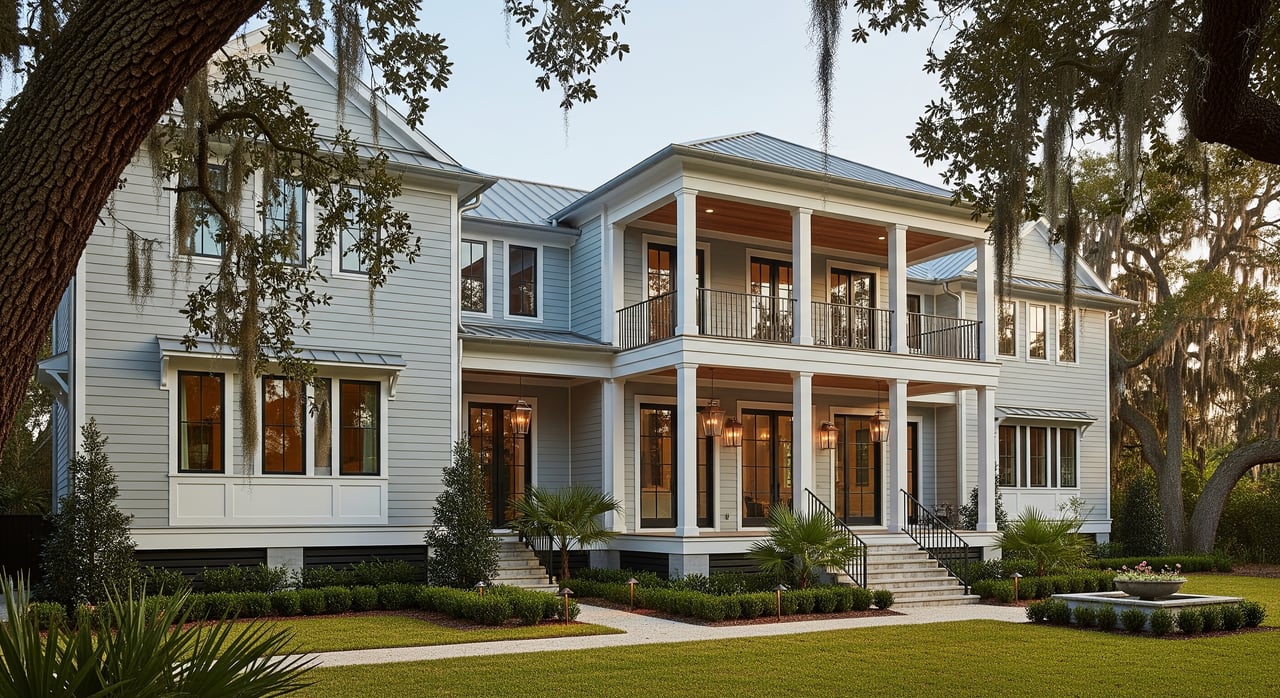
You only get one chance to design a new-build that fits your life and the Sabal South rules. If you are building in 70592, you are likely choosing finishes, floor plans, and a lot, all while learning the HOA process. It can feel like a lot at once. This guide gives you clear steps to align your choices with Sabal South’s standards, Lafayette Parish conditions, and your daily life. Let’s dive in.
Know the rules before you design
Sabal South is a planned subdivision in Youngsville (70592) within Lafayette Parish. Most exterior decisions go through community covenants and an Architectural Review/Control Committee. Before you lock in an elevation or color, you need the right documents and a plan for approvals.
Get your documents
Request the CC&Rs, any ARC/ACC design guidelines, the recorded plat, and current HOA rules from the developer or listing agent. These outline approved exterior materials, roof pitches, paint palettes, porch requirements, driveway rules, and landscaping minimums. You will also see setbacks, easements, and any special rules for pond and corner lots. Ask about the ARC review timeline and any plan submission fees so you can build your schedule around them.
Permits, codes, and insurance checks
Confirm permit requirements with the City of Youngsville or Lafayette Parish building department, including current code editions. Ask the seller or developer for the lot’s flood-zone designation and an Elevation Certificate. Even outside a high-risk zone, finished-floor elevation and drainage easements can affect your foundation height and yard grading. Because storms and heavy rain are common, request sample flood and wind insurance quotes based on your planned elevation and materials.
Choose the right lot in Sabal South
Your lot shape, frontage, and orientation will set many of your design choices. In Youngsville subdivisions, interior, pond, corner, and cul-de-sac lots each come with different opportunities and constraints.
Interior lots
Interior lots typically allow a straightforward front-to-back layout and simpler privacy planning. You can more easily control window placement relative to neighbors. This can help if you prefer defined rooms or want to limit long sightlines from the front entry into your main living areas. Interior lots also simplify screening of HVAC units and trash areas.
Pond lots
Pond lots offer appealing views but come with setbacks, easements, and landscaping rules that protect sight lines. Confirm the buildable envelope before you orient living spaces toward the water. Ask who maintains the pond edges and whether mosquito control or aeration is provided. Plan for durable screens, strong roof drainage details, and native plantings with deep roots where allowed to help stabilize banks and reduce maintenance.
Corner lots
Corner lots face two streets, which means your home will be seen from multiple angles. Elevation materials, window placement, and porch details should present well on both frontages. Check curb-cut rules and decide early where to place the driveway. Use strategic landscaping to screen service areas on the secondary street while keeping your main street elevation clean and inviting.
Site planning and orientation
Start with the recorded plat to confirm the buildable envelope, utility easements, and any pond or common-area no-build strips. Your home’s orientation should work with Lafayette Parish’s humid subtropical climate. Place fewer large windows on the west side to reduce afternoon heat gain. Favor covered porches, deep overhangs, and shade trees, and use north-facing windows for steady light and east-facing windows to welcome morning sun in bedrooms.
Drainage and grading
Confirm how your yard will drain to the street, swales, or ponds, and where the finished floor sits relative to the street crown and any pond spillway. Avoid changing drainage patterns without ARC approval. Retaining walls, swales, or regrading usually require sign-off. A quick pre-slab review by your builder or an independent inspector can prevent costly surprises.
Plan your layout for daily life and resale
A strong floor plan feels great to live in and makes your home easier to sell later. In suburban Lafayette, buyers tend to favor a few proven features that you can plan for up front.
Floor plan priorities
A primary suite on the main floor is a common preference and supports long-term convenience. Keep the kitchen, dining, and living areas open enough to flow, while planning sight lines so visitors at the front door do not see your entire living area. Include one flexible room that can function as an office, guest room, or bedroom, and confirm closet and door placement early. Aim for at least three bedrooms and two full baths for broad resale appeal.
Kitchen and storage
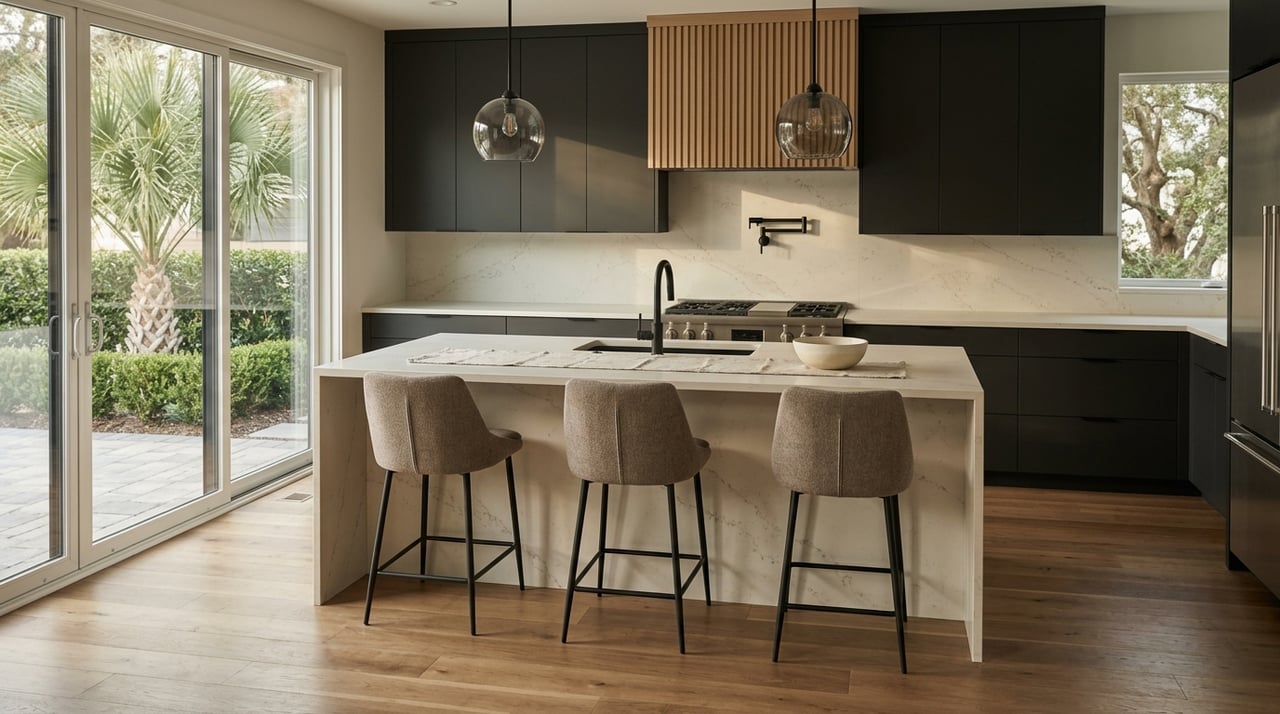
Invest in a functional kitchen triangle, generous pantry storage, and durable surfaces like quartz or other solid-surface counters. Tall ceilings and consistent daylight can make your main areas feel larger, but balance that with sun control to manage cooling loads. Provide ample closets, linen storage, and garage space. A two- or three-car garage with extra depth or a tandem bay is popular in the area and helps resale.
Light, ceilings, and energy
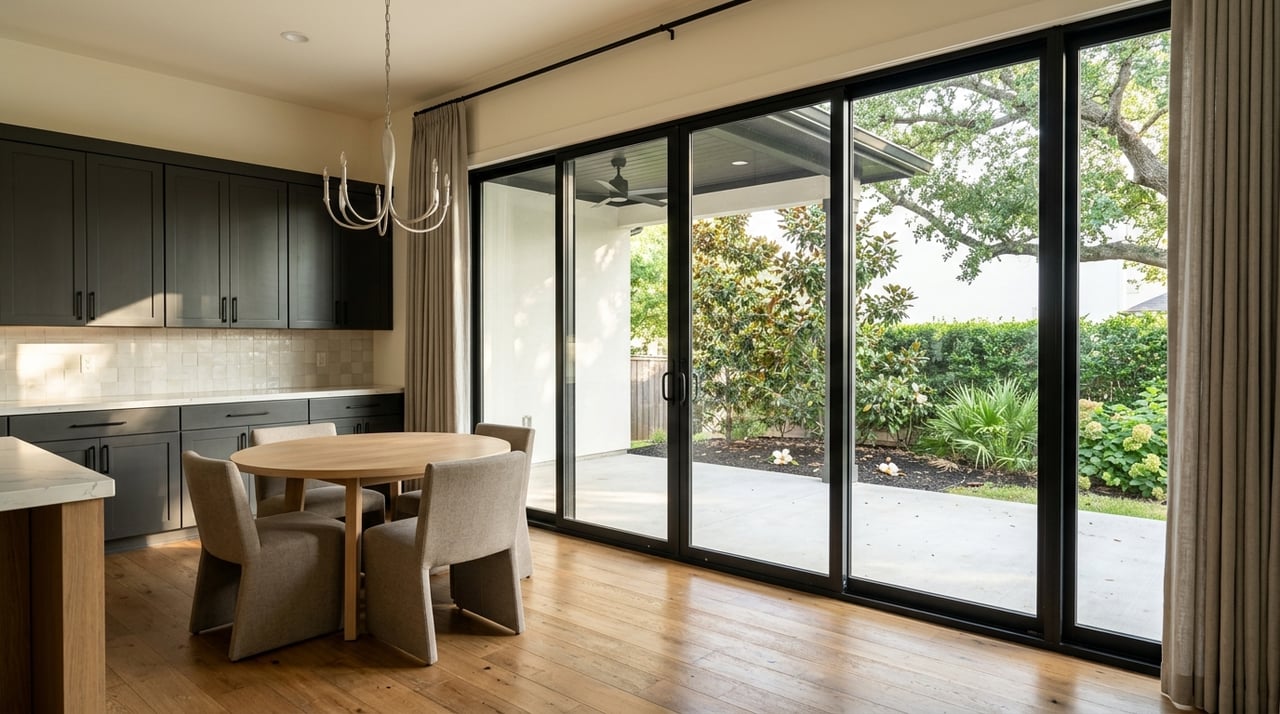
Use tall ceilings in main spaces to add volume and natural light. Plan shaded glazing and covered outdoor areas to keep summer sun in check. Choose energy features early, such as upgraded insulation, higher-SEER HVAC, and performance windows. Structural or mechanical upgrades are harder and more expensive to change later than finishes.
Exterior style and materials that last
Your elevation should fit Sabal South guidelines and Lafayette Parish’s climate. Look for materials and roof forms that perform well in heat, humidity, and storms.
Architectural styles that fit Acadiana
Many buyers in Lafayette Parish like a blend of Southern and Acadian elements with modern-traditional touches. Common themes include covered porches, gabled or hipped roofs, shutters, and mixes of siding with masonry. Roofline complexity affects attic space and second-floor options, so align style choices with your floor plan and ARC requirements.
Roofs, windows, and foundations
Select cladding that handles humidity, such as fiber-cement, engineered wood siding, brick, or stucco. For the roof, consider architectural shingles or metal with high wind ratings, and confirm hurricane straps and correct roof-to-wall connections. Hip roofs tend to perform well in high winds and may align with ARC pitch requirements. Impact-rated windows are widely recommended in storm-prone areas and can improve security and insurance outcomes. Slab-on-grade is common locally when flood risk and grading allow; verify foundation type and height, and how it will affect porch steps and garage slopes.
Outdoor living that works in Lafayette Parish
Outdoor space can extend your living area and support daily life and resale. Plan it alongside your floor plan so doors, windows, and shade all work together.
Shade, drainage, and mosquitoes
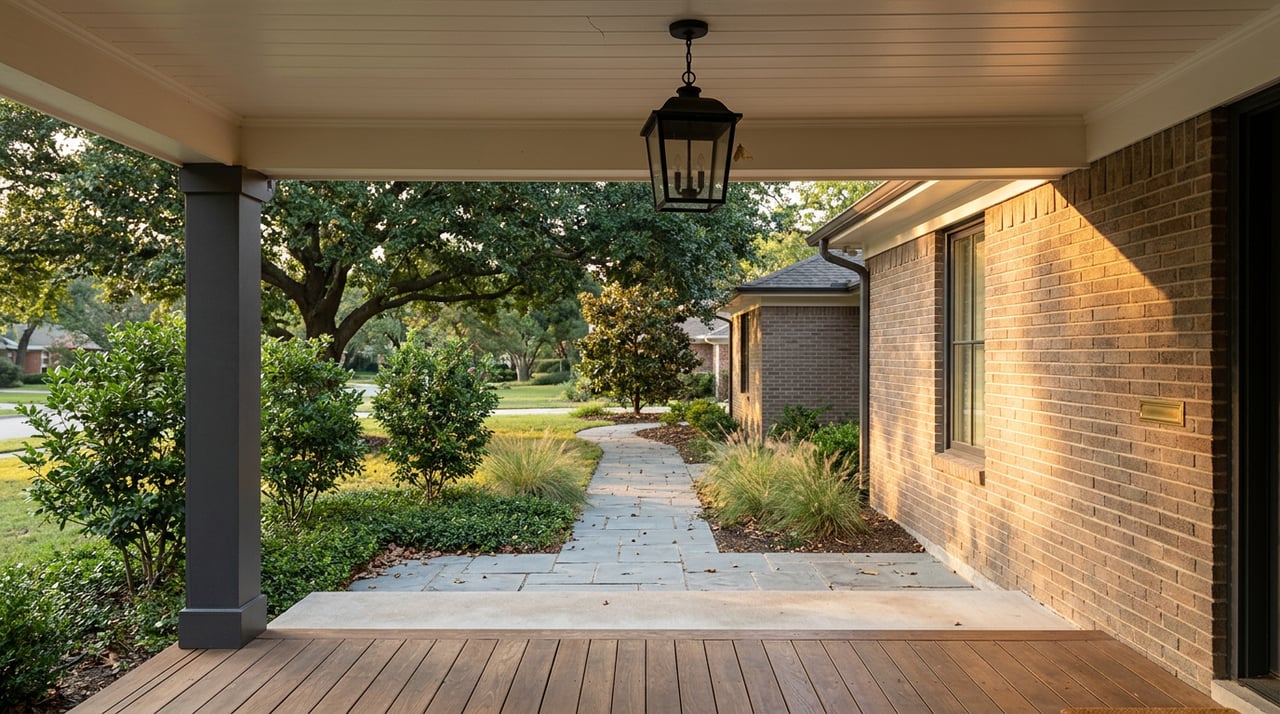
A covered patio or porch with real depth adds all-season value and helps with sun control. Align outdoor rooms for pond views where allowed, but check setbacks and buffers first. Good gutters, site grading, and screened openings help manage heavy rains and mosquitoes. Layered, native plantings can provide privacy without violating view corridors near ponds.
Fences and privacy
Ask the HOA about fence types and locations, especially on pond lots where fences may be limited to preserve views. Use landscaping and positioning to create private zones on corner lots. On interior lots, window placement and tree placement can reduce direct views from neighbors while keeping light.
Tradeoffs to decide early
- Orientation vs curb appeal: Prioritizing pond views may shift window and porch placement away from a conventional front look. Balance view value against neighborhood street-front expectations and ARC preferences.
- Open plan vs defined rooms: Open layouts boost togetherness and light, but defined rooms or pocket doors help with acoustics and work-from-home needs. Decide where you want separation.
- Upgrades vs base price: Spend first on structure and performance. Insulation, HVAC capacity, and window performance often matter more to comfort, operating costs, and resale than purely cosmetic finishes.
Your step-by-step design checklist
Early stage
- Get the recorded plat or plot plan showing setbacks, easements, and buildable area.
- Request CC&Rs, ARC/ACC design guidelines, and HOA rules, including any approved palettes.
- Confirm utilities: water, sewer, gas, electric, and telecom availability and routes.
- Verify flood-zone status and ask for an Elevation Certificate for the lot.
Plan selection
- Confirm garage orientation, driveway placement, and porch depth.
- Place the primary suite on the main level and plan window orientation to manage sun and privacy.
- Map living spaces and covered outdoor rooms toward views where permitted, especially on pond lots.
Structural choices
- Choose roof type and pitch, foundation type and elevation, and hurricane reinforcement details early.
- Confirm roof-to-wall connections, straps, and wind-rated roofing.
Mechanical and energy
- Specify HVAC SEER rating and capacity, insulation R-values, and window performance.
- Decide on impact-rated windows if recommended by code or insurance needs.
Exterior materials and landscaping
- Select HOA-compliant cladding, roofing, colors, and trim details.
- Plan native, layered landscaping and mosquito-conscious design around pond areas.
Final review
- Have your builder or an independent inspector review drainage, grading, and foundation plans before the slab is poured.
Local approvals and who to ask
- Developer/HOA: Confirm any extra restrictions beyond CC&Rs, such as a color book. Ask who maintains ponds, whether there are buffer requirements, and if fences are permitted on pond lots. Get the ARC review timeline and fees.
- Builder: Ask for finished-floor elevation relative to the street and expected base flood elevation. Clarify standard versus upgrade materials for siding, brick, and roofing. Confirm HVAC, insulation, drainage plans, and examples of completed homes in or near Sabal South.
- Insurance and lending: Request flood and wind insurance estimates for your planned elevation and materials. Clarify any coverage impacts related to pond or corner lots.
Ready to bring your plan to life in Sabal South? If you want a smoother build and smarter selections from lot to final punch list, connect with Jessica Broussard. Build with a local advisor who blends new-construction know-how with design-forward guidance.
FAQs
What should I review before choosing plans in Sabal South?
- Start with the recorded plat, CC&Rs, ARC/ACC design guidelines, and current HOA rules to understand setbacks, materials, roof pitches, colors, fencing, and the review timeline.
How do pond lot setbacks affect patios in 70592?
- Pond lots often include maintenance easements and view corridors, so confirm the buildable envelope and buffers before placing covered patios or outdoor kitchens facing the water.
Are impact-rated windows worth it in Lafayette Parish?
- Yes, they are widely recommended in storm-prone areas for wind resistance, security, and potential insurance benefits, and they can support resale value.
What orientation reduces heat gain in Youngsville’s climate?
- Limit large west-facing windows, use covered porches and deep overhangs, and favor north-facing glass for steady light and east-facing windows for morning sun.
Which upgrades should I prioritize during a new build in Sabal South?
- Prioritize structural and performance items first, such as foundation elevation, roof system and straps, HVAC capacity, insulation levels, and window performance before cosmetic finishes.