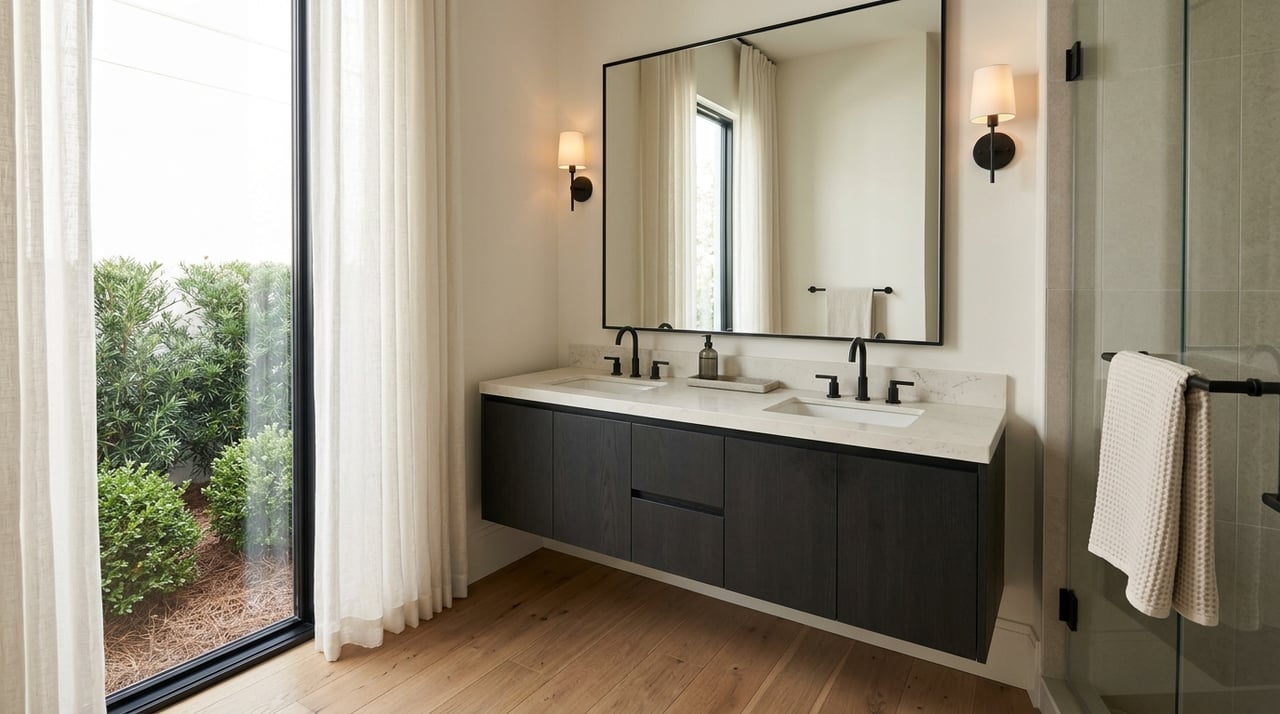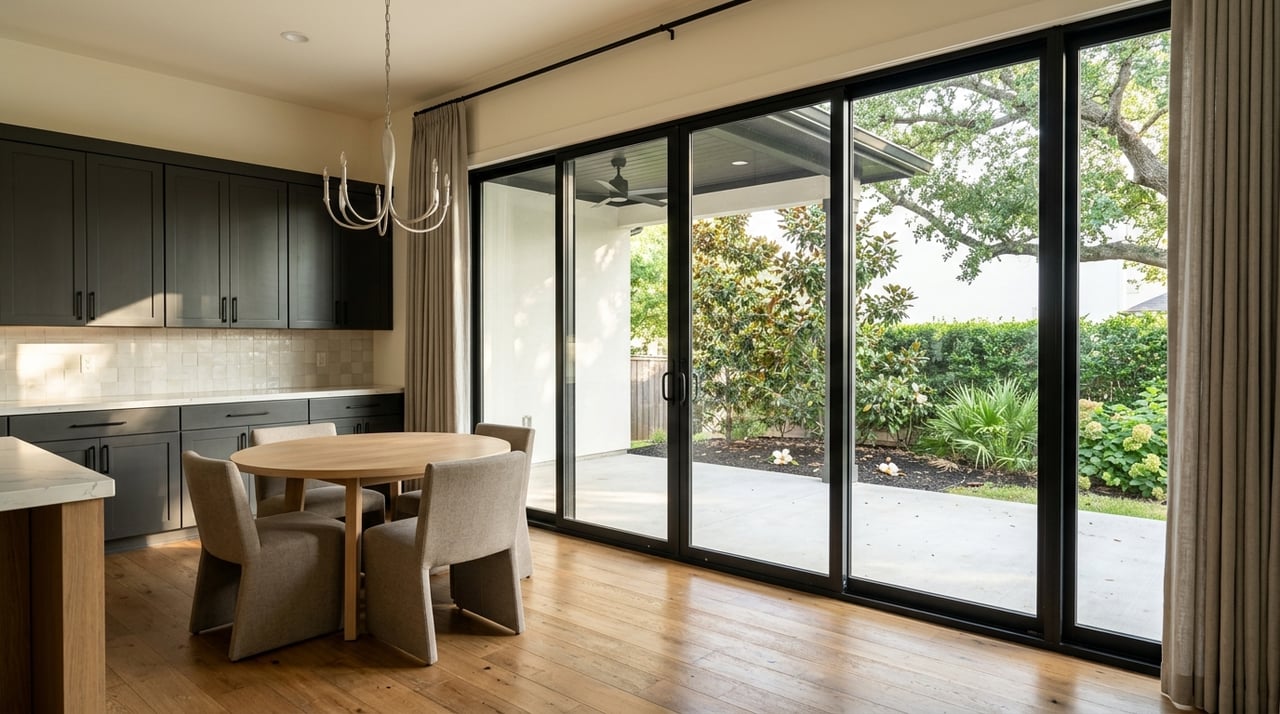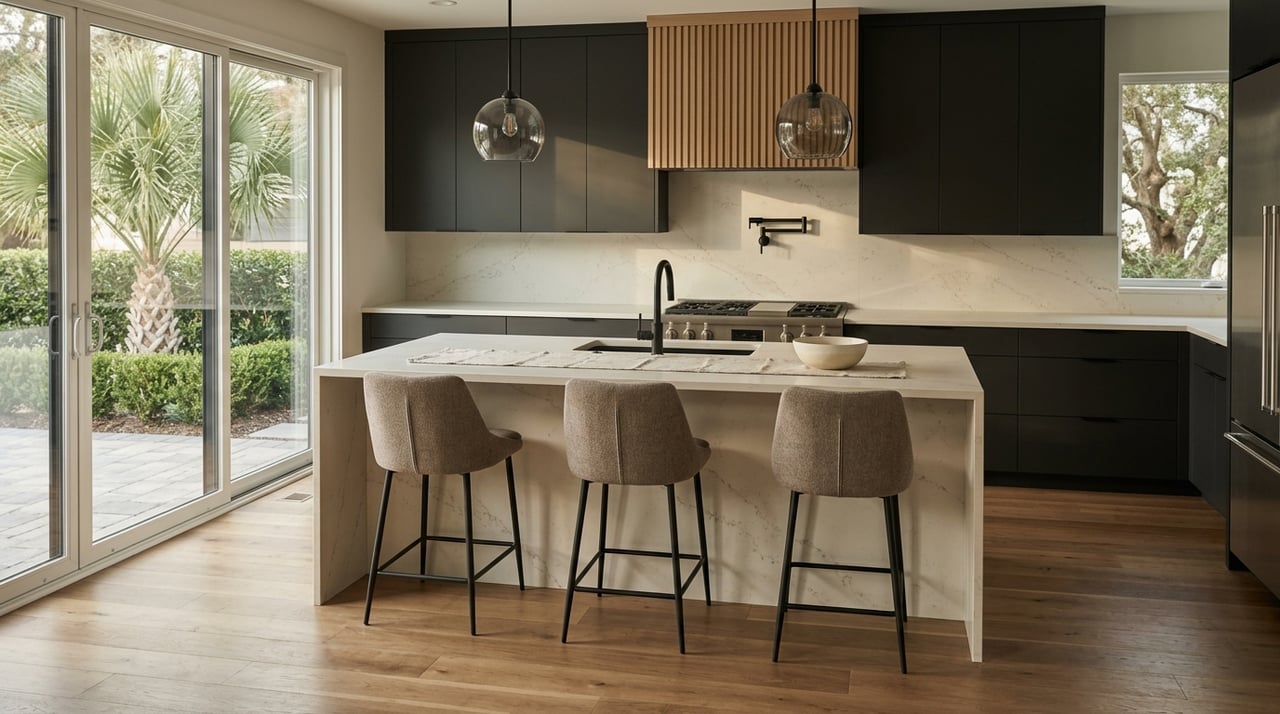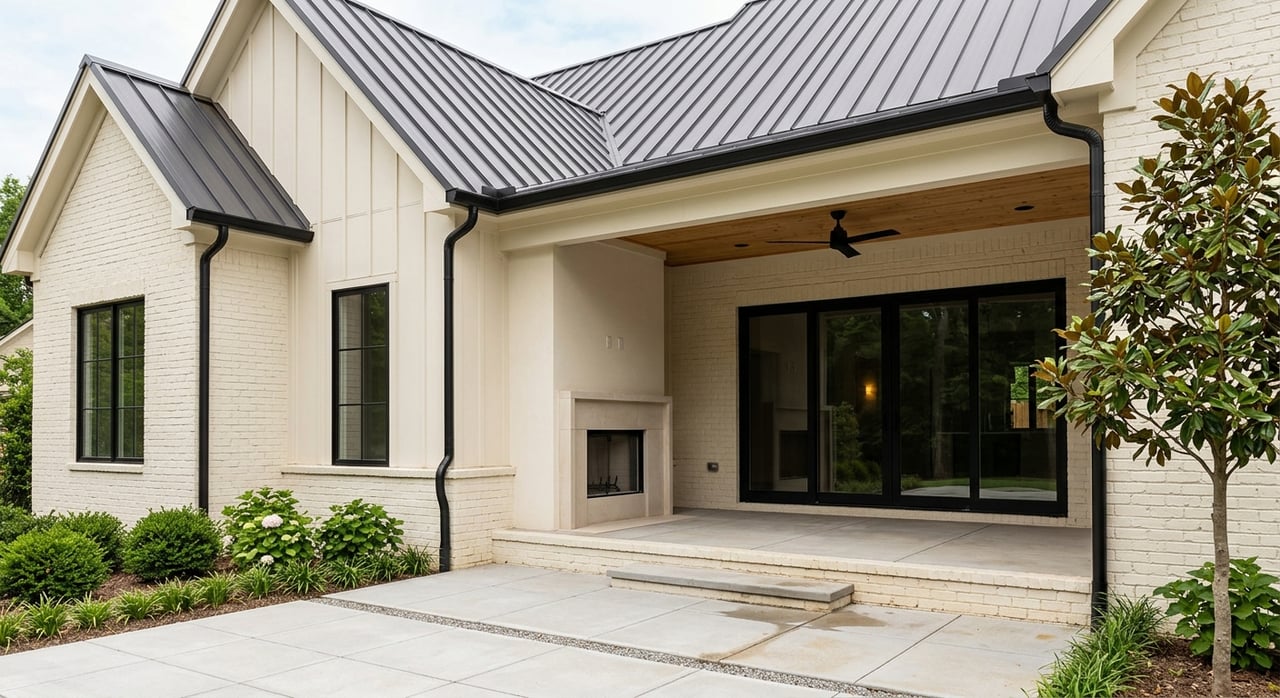
Thinking about building in Audubon Plantation? The exciting part is choosing a floor plan and imagining your finished home. The tricky part is making sure your design fits the neighborhood, your lot, and Lafayette’s approval process. If you plan ahead, you can avoid delays, protect your budget, and move through the build with a lot more confidence. Let’s dive in.
Why design rules matter early
When you build in a neighborhood like Audubon Plantation, design is not just about personal taste. Your home also needs to fit the overall character of the subdivision and work with lot-specific conditions. That is why the earliest planning decisions often matter the most.
Public market activity suggests Audubon Plantation homes tend to follow a cohesive Southern design language. You will often see French, Traditional, French Style, and New Orleans Style influences, along with features like brick veneer, stucco, composition roofs, porch columns, balconies, double iron doors, and large covered outdoor living spaces. If your plan leans too far outside that pattern, it may create avoidable friction during review.
What Audubon Plantation homes often look like
If you are in the idea stage, it helps to study the design themes already showing up in the neighborhood. Public listings point to polished, masonry-heavy exteriors with strong curb presence and a focus on outdoor living. That does not mean every home must look the same, but it does suggest that cohesive design tends to win here.
Exterior styles to expect
Audubon Plantation listings most often reflect:
- French and Traditional architectural influence
- New Orleans Style details
- Brick veneer and stucco finishes
- Composition roofs
- Porch columns and balconies
- Double iron entry doors
- Covered or enclosed patio spaces
This gives you a practical starting point when you meet with a builder or draftsperson. If your wish list includes a bold exterior concept, it is wise to compare it against what is already being built and sold nearby before you get too far into planning.
Outdoor living is part of the design
In this part of Lafayette, outdoor space is not usually an afterthought. Public examples in Audubon Plantation and nearby Audubon Parc show a clear emphasis on covered patios, outdoor kitchens, fireplaces, and backyard gathering areas. In many cases, the backyard experience appears just as important as the front elevation.
That matters because your lot plan needs to support more than the house itself. You may also want room for a patio extension, pool, green space, or future upgrades. Planning those elements from the beginning can help you avoid a layout that looks good on paper but feels cramped once the home is built.
How lot size affects your plan
One of the biggest advantages public market data suggests in Audubon Plantation is lot scale. Listings have shown homesites around 0.49 acres, 0.52 acres, and 0.87 acres. That larger-lot feel can give you more flexibility, but it also raises the stakes on choosing a plan that fits the property well.
A house that is too small for the lot can feel under-scaled. A house that is too large or poorly placed can limit outdoor function, drainage options, or future features. The goal is balance.
Think beyond square footage
It is easy to focus on the home’s interior size, but the full site plan matters just as much. As you compare lots and floor plans, pay attention to:
- Front, side, and rear setbacks
- Driveway and garage placement
- Space for outdoor living
- Grading and drainage needs
- Pool placement, if desired
- Privacy between neighboring homes
Lafayette Consolidated Government notes that setback compliance still has to be checked as part of the permitting process. So even if a plan seems like it should fit, you still need to confirm that it works on your specific lot.
Build extra time into your schedule
One of the most common mistakes in a custom or semi-custom build is underestimating the approval timeline. In a neighborhood with design expectations and lot-specific considerations, the process usually involves more than one checkpoint before construction begins.
In practical terms, your timeline may need room for neighborhood or association review, city permit review, and possibly floodplain or drainage paperwork. That does not mean your project will hit major delays, but it does mean you should not plan as if excavation can start right after you choose a floor plan.
Permits come before construction
Lafayette Consolidated Government says most construction activities require a permit before work begins, including residential building permits. Separate permits may also be needed for swimming pools, floodplain development, and land disturbance.
This is especially important if you are also planning outdoor improvements. A pool, major grading work, or other site changes can affect your build schedule and your budget if they are not considered from day one.
Floodplain and drainage can shape the design
For some lots in Lafayette, floodplain review can directly affect how you build. This is one of those behind-the-scenes issues that can change elevation, grading, and site design long before finish selections ever come up.
Lafayette Consolidated Government states that if a lot is subject to floodplain review, new residential structures in flood fringe must have the lowest floor elevated 1 foot above base flood elevation. The city also requires no net loss of flood storage capacity, often called Zero Net Fill, and may require grading or drainage plans that show how water will leave the site without harming nearby properties.
Why this matters for your layout
Floodplain and drainage requirements can influence:
- Finished floor height
- Foundation approach
- Lot grading strategy
- Placement of patios, pools, and driveways
- Overall site drainage
This is why lot selection should never happen in isolation. A beautiful homesite still needs to support the plan you want to build and the approvals needed to get there.
Verify the current neighborhood documents
One of the most important things to know is that public portal information can be inconsistent. Research notes show mixed treatment of HOA details in this area. Some public comments suggest no HOA, while listing feeds for Audubon Plantation and Audubon Parc show annual association fees and maintenance details.
The safest move is to treat portal data as provisional. Before finalizing plans, review the current subdivision documents, any architectural review materials, and lot-specific seller disclosures. That step can save you from designing around assumptions that turn out to be incomplete.
What to confirm before you finalize plans
Before you lock in a builder plan, ask for the current:
- HOA or owners association documents
- Architectural review or design packet
- Recorded subdivision restrictions, if available
- Lot survey and legal description
- Seller disclosures tied to the lot
- Any floodplain or drainage-related information
This kind of due diligence is not glamorous, but it is one of the best ways to protect your timeline.
A smart planning sequence for your build
If you want a smoother building experience in Audubon Plantation, the order of decisions matters. A well-sequenced plan can help you avoid redesign costs and approval surprises.
Follow this order
- Choose the lot carefully. Look at size, shape, access, and usable outdoor space.
- Compare your plan to neighborhood patterns. Make sure the style feels aligned with public examples in the subdivision.
- Review current subdivision documents. Confirm design expectations before spending heavily on revisions.
- Check permit and setback needs. Make sure the home fits the lot under local requirements.
- Evaluate floodplain and drainage issues. Address elevation and water flow early.
- Coordinate with your builder. Align plan, site work, and approval timing before construction starts.
This is where having a local advisor can make a real difference. The value is not just helping you pick a pretty plan. It is making sure the lot, design, approvals, and builder coordination all move in the right order.
Where local guidance helps most
Building a home can feel like a long chain of decisions, and each one affects the next. In a neighborhood like Audubon Plantation, you are balancing style, lot fit, local permitting, and timing all at once. That is a lot to manage on your own.
A local real estate professional with new construction experience can help you evaluate lots, think through plan fit, coordinate with your builder, and keep the process moving with fewer surprises. That kind of support is especially helpful when you want a home that not only looks right in the neighborhood, but also works well for the way you live.
If you are planning a build in Audubon Plantation, the right strategy starts before you pick finishes. For thoughtful guidance on lot selection, new construction coordination, and a design-forward approach from start to finish, connect with Jessica Broussard.
FAQs
What architectural styles are common in Audubon Plantation in Lafayette, LA?
- Public market listings most often show French, Traditional, French Style, and New Orleans Style influences, along with masonry-heavy materials and strong outdoor living features.
What should you verify before building in Audubon Plantation?
- You should review the current owners association documents, any architectural review materials, recorded subdivision restrictions if available, lot-specific disclosures, and any floodplain or drainage information tied to the property.
What permits might you need for a new build in Lafayette, LA 70508?
- Lafayette Consolidated Government says residential construction generally requires a building permit, and separate permits may also be needed for pools, floodplain development, and land disturbance.
How can floodplain rules affect a new home build in Lafayette?
- If a lot is subject to floodplain review, local rules may affect the home’s elevation, grading, drainage plan, and placement of improvements like patios, driveways, or pools.
Why is lot selection important when planning a build in Audubon Plantation?
- Lot selection affects how well your floor plan fits the site, how much outdoor living space you can create, and whether setbacks, drainage, and permitting requirements can be met smoothly.