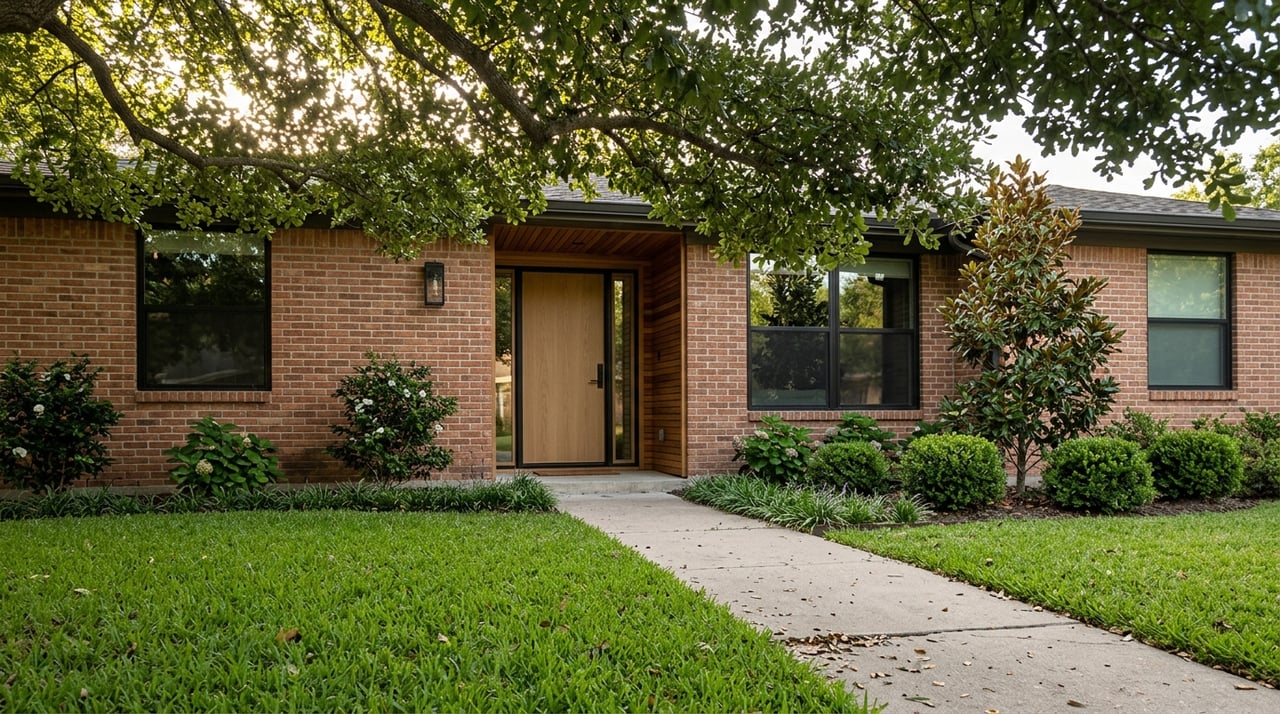
Are you drawn to the charm of an established home but wondering what comes with buying in an older part of Lafayette? Along West Bayou Parkway, that question matters in all the right ways. You can find mature trees, generous lots, and homes with character here, but you also need to look closely at condition, drainage, and past updates. If you are thinking about buying in this pocket of 70503, this guide will help you know what to appreciate, what to verify, and where to focus your due diligence. Let’s dive in.
Why West Bayou Parkway Stands Out
West Bayou Parkway and the nearby Greenbriar area offer a very different feel from a newer subdivision. Public records and listing examples point to homes built across several decades, including the 1960s, 1970s, and later infill or updated properties. That gives the area a more layered look and feel, rather than a uniform row of new construction.
This part of Lafayette also benefits from a central, in-town setting. Moncus Park, a 100-acre greenspace on Johnston Street, and Girard Park, a 33-acre city park on Girard Park Drive, help shape the area as a well-established residential corridor. If you want a location that feels rooted in the city, this is part of the appeal.
What Buyers Often Love Here
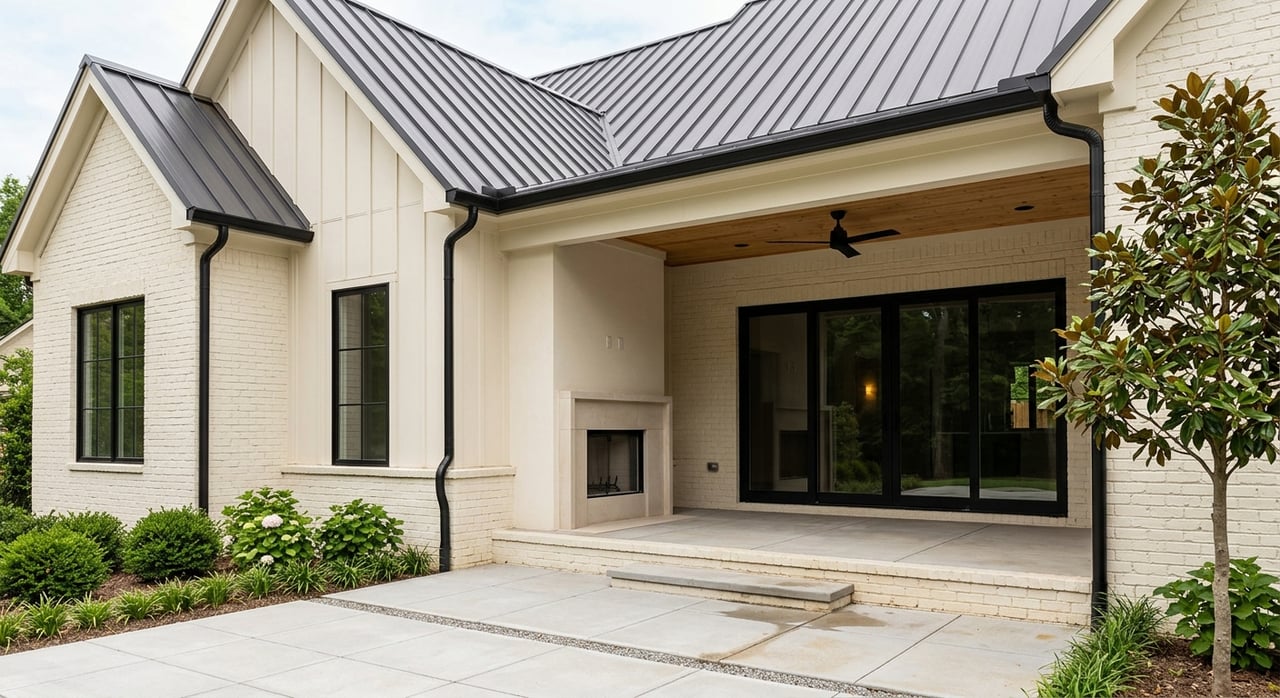
Many homes in this area reflect traditional layouts and details that are harder to find in newer homes. Listing examples regularly mention features like covered porches, courtyards, sunrooms, fireplaces, built-ins, large kitchens, breakfast rooms, rear garages, and landscaped yards with mature trees. Those details can give a home warmth and personality from day one.
Lot sizes can also be a draw. Samples from the area show lots commonly around 0.3 acres, with at least one parcel over 1 acre. If you value breathing room, established landscaping, or outdoor potential, that can be a meaningful advantage.
Character Features Worth Noticing
When you tour homes along West Bayou Parkway, pay attention to the features that give the house its identity. In many cases, the best long-term updates keep those original strengths in place.
Features buyers often want to preserve include:
- Porch lines and exterior scale
- Original built-ins and study spaces
- Courtyards and sunrooms
- Cathedral or soaring ceilings
- Mature trees and established yard layout
- Traditional room separation that supports flexible use
How to Think About Updates
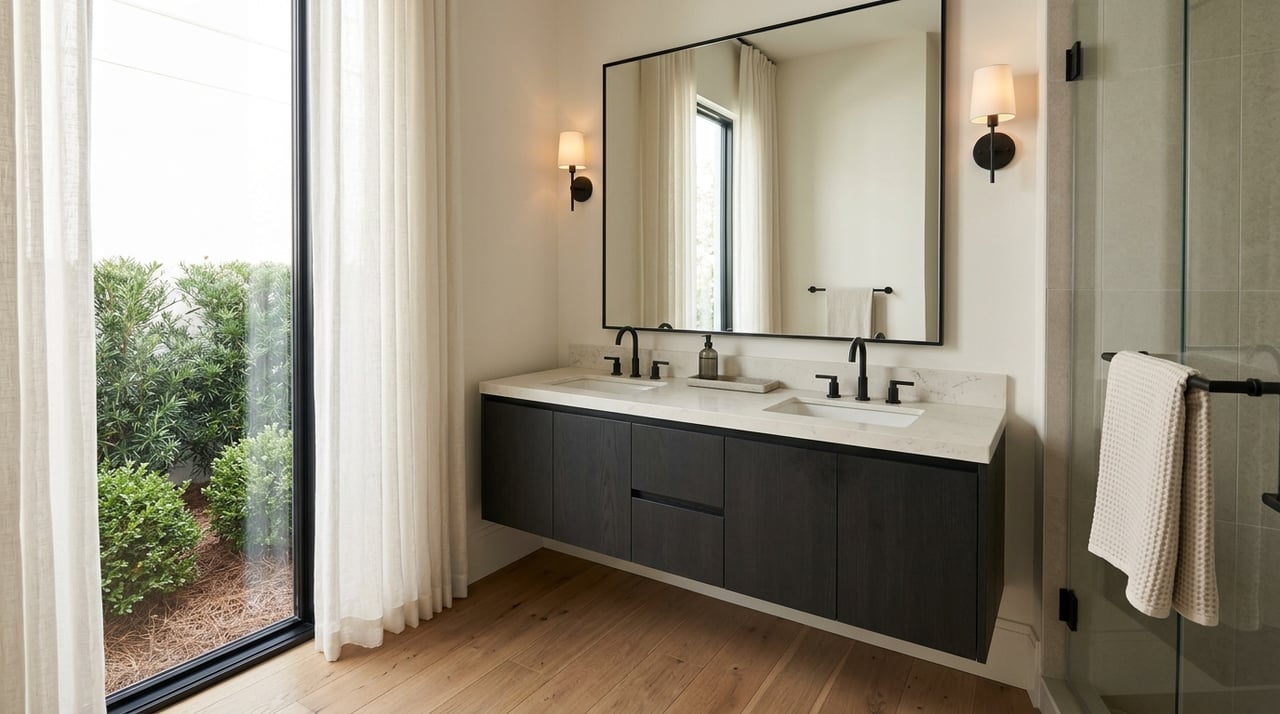
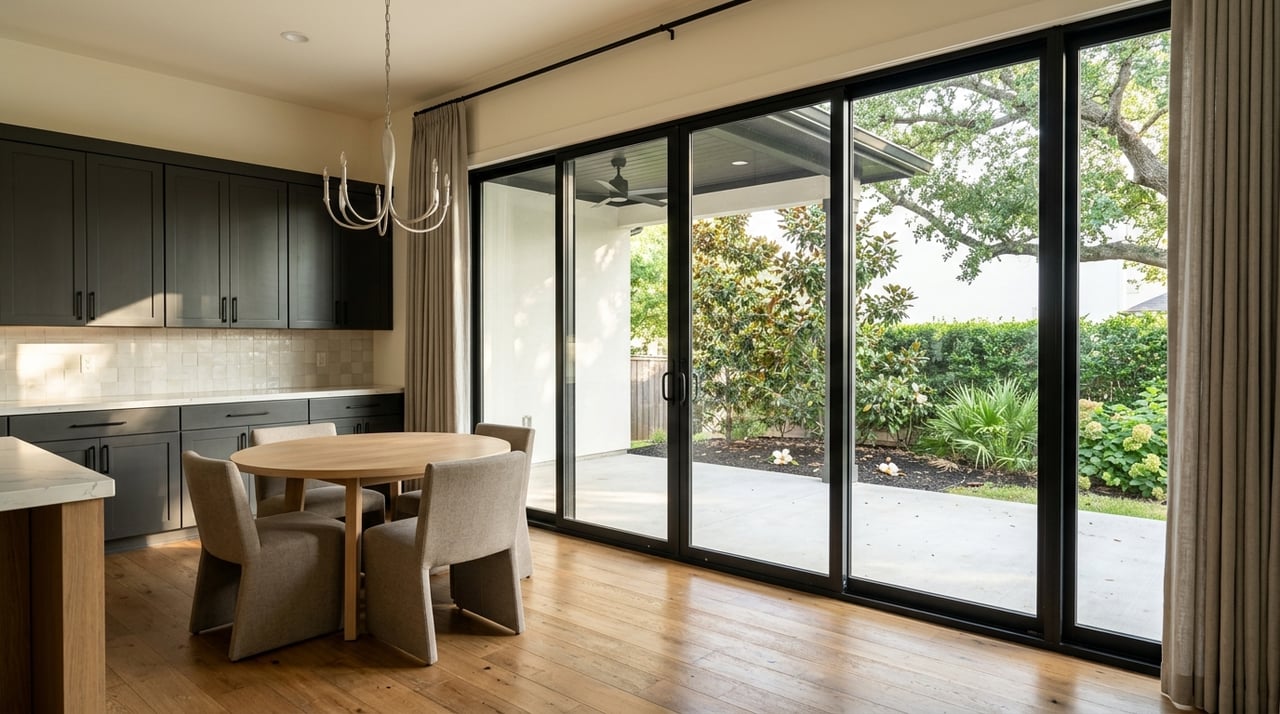
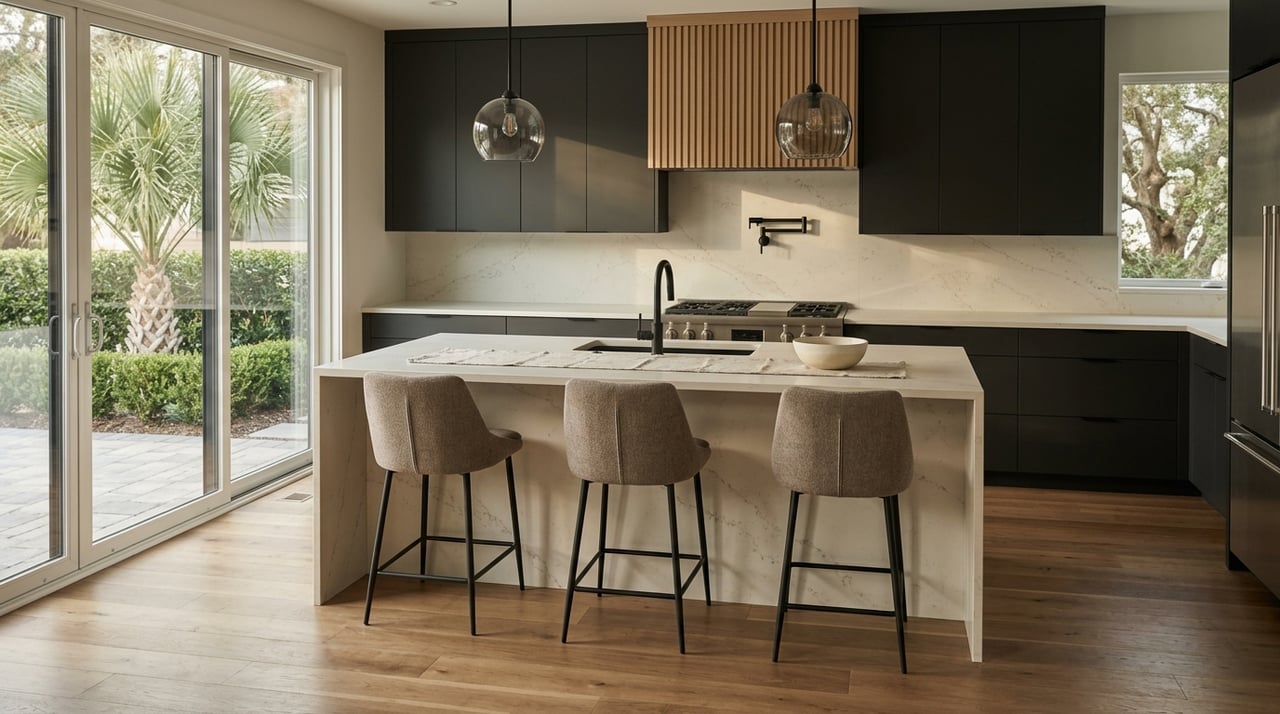
In this area, one of the smartest approaches is simple: retain the bones, refresh the surfaces. That means keeping the architectural elements that make the home feel special while updating the spaces and systems you will use every day. It is often a better fit than trying to force an older home into a style that does not suit its structure.
For many buyers, that looks like updating kitchens, baths, lighting, hardware, and mechanical systems while preserving the home’s scale and original details. This approach can improve livability without erasing the character that drew you to the home in the first place.
Smart Updates to Prioritize
If you are planning changes after closing, start with the improvements that affect comfort, function, and maintenance first.
A practical order often includes:
- Roof and drainage concerns
- Water intrusion or foundation issues
- Electrical and plumbing updates
- HVAC and ventilation improvements
- Kitchen and bath surface updates
- Lighting, hardware, and cosmetic finishes
Flood and Drainage Matter Here
In Lafayette, drainage should never be an afterthought, especially when buying an established home. Lafayette Consolidated Government notes that the parish receives about 54 to 58 inches of annual precipitation each year. It also identifies the Vermilion River as the parish’s major stormwater outfall.
That local context matters because flood exposure can vary from one parcel to the next. The latest parish flood insurance rate map became effective on December 21, 2018, and buyers should verify the exact flood zone, elevation information, and any Letters of Map Change tied to the specific property. A street address alone is not enough.
Flood Questions to Ask Before You Buy
Before you move forward, ask for documentation and confirm the details for the exact home you are considering.
Focus on questions like these:
- What flood zone is the property in today?
- Is there an elevation certificate available?
- Has the structure changed since the elevation certificate was issued?
- Are there any Letters of Map Change on file?
- Is there visible grading or drainage work on the lot?
- Are there signs of past water intrusion inside or outside the home?
LCG also notes that elevation certificates remain valid unless the structure changes. In some cases, a community letter may help update flood map and base flood elevation information for insurance purposes.
Inspect Older Homes Carefully
A standard home inspection is an important step, but it has limits. Under Louisiana law, a home inspection is a visual examination of readily accessible systems and components. It is not a warranty and it does not guarantee code compliance.
That is why established homes often call for a mix of general inspection and specialist follow-up. In this neighborhood, roof and drainage, foundation and water intrusion, electrical, plumbing, HVAC and ventilation, and termite work are some of the most important categories to review.
Systems That Deserve Extra Attention
Louisiana inspection standards specifically address many of the systems that matter most in older homes. Your inspection process should help you understand current condition, likely maintenance, and where more evaluation is needed.
Pay close attention to:
- Roof coverings, flashings, drainage components, and signs of leaks
- Foundation, framing, columns, and piers
- Electrical service equipment, receptacles, and safety testing
- Plumbing supply lines, drain and vent systems, water heater, and shutoffs
- Heating, cooling, insulation, and ventilation performance
- Interior and exterior signs of settlement or moisture issues
Check Renovation History Before Closing
Older homes often have a long improvement history, and that history matters. Lafayette Consolidated Government says most construction activities require a permit before work begins, while cosmetic work typically does not. Additions, exterior structures, setback compliance, zoning compatibility, and floodplain work can all trigger additional review.
If a home has been renovated, ask whether the work was permitted and whether the permits match what you can see in the house today. This is especially important if you notice enclosed patios, room additions, detached structures, major layout changes, or signs of floodplain-related work.
Why Permit Verification Helps
Permit research can give you a clearer picture of what you are buying. It can also help you avoid surprises after closing if you plan to make more changes.
Verification can help you understand:
- Whether major improvements were officially documented
- Whether additions appear consistent with zoning and setback rules
- Whether floodplain work required a separate permit
- Whether future remodeling may need extra review
Know the Hidden Material Risks
Homes built before 1978 are more likely to contain lead-based paint. The EPA says buyers have disclosure rights before closing, and renovation can create lead dust if painted surfaces are disturbed. If you are buying an older home with plans to repaint, open walls, replace windows, or remodel a kitchen or bath, this should be part of your planning.
The same goes for suspect asbestos-containing materials. If remodeling will disturb older materials, EPA guidance supports using trained or accredited asbestos professionals for evaluation. The goal is not to create fear. It is to answer the right questions before cosmetic work turns into a larger issue.
Termites Are a Real South Louisiana Concern
In South Louisiana, termite due diligence is not optional. LSU AgCenter guidance notes that the Formosan subterranean termite can cause severe structural damage in as little as six months. It also states that only a licensed pest professional can confirm whether a home is truly free from termites and termite damage.
If you are buying an established home, make termite inspection part of your core checklist. Ongoing maintenance matters too, including repairing leaks, keeping gutters clean, and keeping mulch and landscaping back from the foundation.
Balance Charm With Practicality
The best purchase in this area is not always the most updated home on day one. Sometimes it is the house with strong structure, appealing original features, and a manageable path to improvement. When you combine character with careful inspection and smart planning, you can make confident decisions.
That is especially true in a neighborhood like West Bayou Parkway, where the appeal often comes from things you cannot easily recreate in a brand-new build. Mature landscaping, traditional room layouts, and architectural details can be worth protecting when the underlying condition supports it.
A Thoughtful Buying Strategy
If you are serious about buying along West Bayou Parkway, go in with a plan. This is a market pocket where design potential and transaction due diligence should work together. You want to see both what the house is now and what it could become with the right updates.
A helpful buying strategy includes:
- Identify the original features you value most
- Review flood zone and elevation information early
- Ask about renovation history and permits
- Schedule a thorough home inspection
- Bring in licensed specialists when the inspector flags concerns
- Budget for system updates before cosmetic upgrades
- Preserve character while modernizing the rooms you use most
If you want help evaluating an established home in Lafayette with both resale sense and design potential in mind, Jessica Broussard offers a thoughtful, hands-on approach that can help you move forward with clarity.
FAQs
What makes West Bayou Parkway different from newer Lafayette neighborhoods?
- West Bayou Parkway is best understood as an established, central Lafayette area with mature landscaping, older housing stock, and a mix of mid-century homes and later updates or infill rather than a uniform new-build setting.
What should buyers inspect first in an older West Bayou Parkway home?
- Buyers should focus on roof and drainage, foundation and water intrusion, electrical, plumbing, HVAC and ventilation, and termite or pest concerns, then follow up with licensed specialists as needed.
What flood information should buyers verify for a West Bayou Parkway property?
- Buyers should verify the exact flood zone, elevation information, and any Letters of Map Change for the specific parcel, since flood exposure can vary by property and should not be assumed from the street name alone.
What renovations may need permits in Lafayette?
- Lafayette states that most construction activities require a permit before work begins, while cosmetic work generally does not, and some additions, exterior structures, zoning-related work, and floodplain work may require additional review.
What original features are worth keeping in an established Lafayette home?
- Features often worth preserving include porch lines, original built-ins, courtyards, sunrooms, mature landscaping, and the overall scale and layout that give the home its character.
What health and material concerns matter in older Lafayette homes?
- In pre-1978 homes, buyers should ask about lead-based paint disclosures, and if remodeling may disturb older materials, they should consider qualified evaluation for issues like lead dust and suspect asbestos-containing materials.
Why is termite inspection important for established homes in South Louisiana?
- LSU AgCenter notes that Formosan subterranean termites can cause severe structural damage quickly, and only a licensed pest professional can confirm whether a home is free from termites and termite damage.