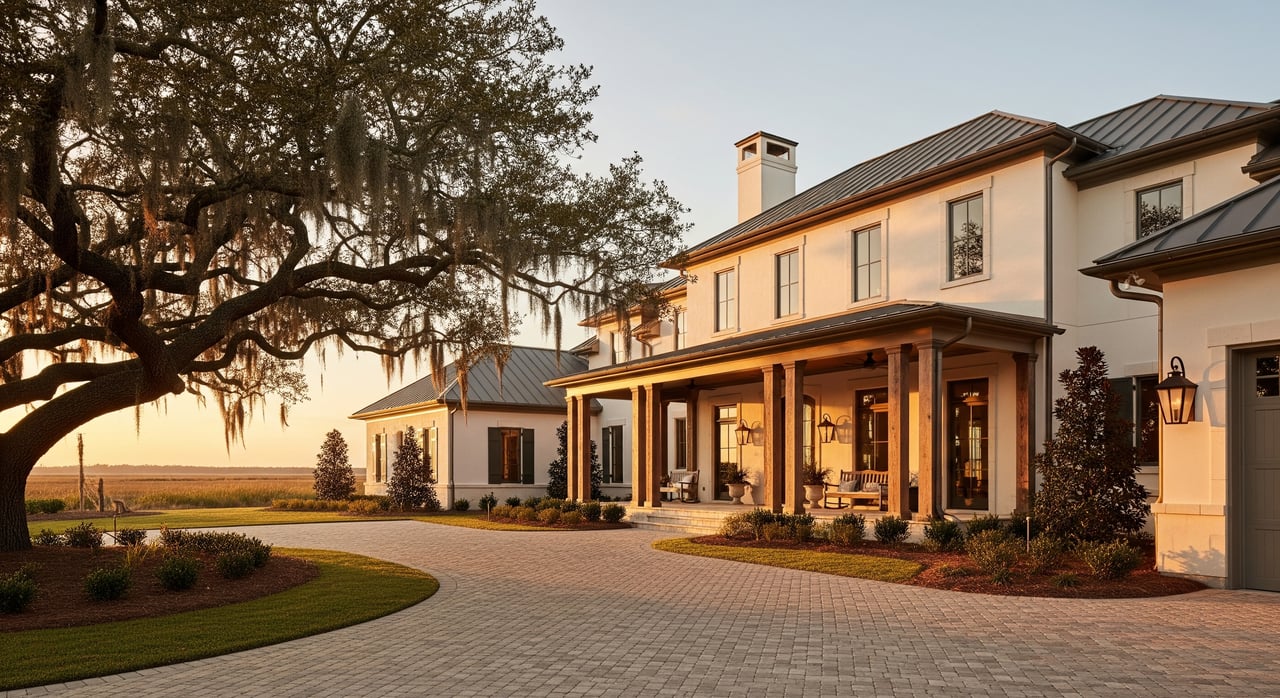
Building a home in Lafayette Parish is exciting, but choosing the wrong builder can turn a dream into delays, cost overruns, and stress. You want a partner who understands local conditions, manages the process clearly, and delivers what was promised. In this guide, you’ll get a practical, Lafayette‑specific checklist you can use to vet builders, compare proposals, and protect your investment. Let’s dive in.
Quick verification steps
Start with simple checks to protect your time and budget.
- License check: Ask for the builder’s Louisiana contractor license number and classification. Verify current status and any disciplinary history with the Louisiana State Licensing Board for Contractors (LSLBC).
- Insurance proof: Request Certificates of Insurance for general liability and workers’ compensation. Ask to be listed as an additional insured when appropriate.
- Permits and inspections: Confirm who will pull permits with Lafayette Consolidated Government and schedule required inspections. Require copies of all permits and final approvals.
- Flood zone and elevation: Determine if your lot is in a flood zone using FEMA resources and the parish floodplain manager. If so, plan for elevation certificates and design compliance.
- Code compliance: Verify which version of Louisiana’s adopted building codes apply. Ask how the builder meets current wind, energy, and mechanical requirements.
Top builder questions for your first meeting
Use these questions to compare builders side by side.
Local climate readiness
- How do you design for hurricane winds, roof tie-downs, and impact protection?
- What foundation types do you recommend for my site conditions and flood risk?
- How do you manage moisture, insulation, and termite prevention in our humid climate?
Project management and subcontractors
- Who will be my day-to-day project manager and how often will we meet on-site?
- Which subcontractors handle foundation, framing, roofing, and HVAC? How long have you worked with them?
- How do you monitor quality and close out punch lists?
Pricing, allowances, and changes
- Is your pricing fixed-price, cost-plus, or a guaranteed maximum price? Why?
- Which items are allowances versus specified selections? How are overages handled?
- How are change orders priced and approved, and how do they affect the schedule?
Schedule and inspections
- What are the start and substantial completion dates, with weather contingencies?
- How do you handle parish inspections and re-inspections?
- What happens if there are delays outside of weather?
Financing and draw schedules
- Do you require a construction loan? What documentation do you provide for draw requests?
- What deposit do you require, and how are payments tied to milestones and inspections?
- Do you provide conditional lien waivers from subcontractors and suppliers at each draw?
Warranties and service
- What are your written warranty terms for workmanship, systems, and structural elements?
- How do I submit warranty claims and how quickly do you respond?
- Is the warranty transferable if I sell within a few years?
References and site visits
- Can I tour completed homes in Lafayette Parish and speak with owners from the last 6 to 36 months?
- Will you provide 5 to 10 references at various project stages?
- What common issues have you resolved recently and how?
Energy and HVAC
- How do you size HVAC for our humidity and temperature swings?
- What insulation, air sealing, and ventilation practices do you use?
- How do you meet Louisiana energy code requirements?
Design and selections support
- Do you offer design-build or partner with architects and interior designers?
- What is the selections process and timeline for cabinets, counters, flooring, lighting, and plumbing?
- Do you provide a finish schedule with brand names and model numbers?
Contract must-haves in Lafayette Parish
Get details in writing to reduce risk and keep your project on track.
- Detailed scope of work: Plans, elevations, specifications, material brands, model numbers, and clear allowances.
- Pricing structure: Fixed-price, cost-plus, or guaranteed maximum price, with clear markup and change-order rules.
- Schedule and milestones: Start date, substantial completion, final completion, weather contingencies, and liquidated damages if applicable.
- Payment protections: Reasonable deposit, staged payments tied to milestones and inspections, retainage or holdbacks when appropriate, and conditional lien waivers from builder and subcontractors.
- Permits and approvals: Who pulls building, electrical, plumbing, mechanical, and grading permits; documentation of passed final inspections and certificate of occupancy before final payment.
- Subcontractor list: Names of key subs with an owner right to approve critical trades when possible.
- Change orders: Written approval required before work, including cost and time impact.
- Dispute resolution: Clear mediation or arbitration steps, Louisiana law and venue, and attorney fee provisions.
- Termination and cure: Defined default conditions and cure timelines for both parties.
Cost controls and risk management
Stay proactive about budget and site conditions.
- Contingency: Set aside 5 to 10 percent for allowances and unforeseen conditions. Use this fund only with documented changes.
- Soil and site testing: Order geotechnical or soil borings before finalizing foundation design. Address drainage plans early.
- Flood compliance: If in a flood zone, incorporate elevated slab or pier design, elevation certificate requirements, and proper site grading.
- Weather and schedule risk: Include fair weather clauses with defined remedies for avoidable delays.
- Lender coordination: Choose a builder comfortable with draw schedules, inspections, and documentation for construction loans.
On-site and after move-in
How to manage the build and protect your warranty.
- Pre-construction meeting: Confirm communication lines, selections timeline, jobsite rules, access hours, and safety expectations.
- Regular walk-throughs: Schedule visits at slab, framing, rough-in, insulation, drywall, and substantial completion milestones.
- Documentation: Keep signed contracts, permits, plans, change orders, inspection reports, lien waivers, and insurance certificates.
- Punch list: Do a formal walk-through before final payment. Set clear timelines for completion and re-inspections.
- Warranty binder: Collect warranty documents, service contacts, and as-built plans. Know how to submit claims and response timelines.
Red flags to avoid
Spot issues early to prevent costly problems later.
- Refusal to share license, insurance, or recent references.
- Requests for unusually large up-front payments or cash-only deals.
- Vague contracts with unclear allowances, missing schedules, or no change-order process.
- Poor communication or many unresolved complaints showing similar themes.
- Multiple unresolved issues with the LSLBC or active litigation.
Lafayette-specific features to prioritize
Local climate and soil conditions shape better building choices.
- Wind resilience: Proper roof tie-downs, hurricane clips, sheathing practices, and impact-rated openings where applicable.
- Foundations and elevation: Elevated slab or pier systems based on soil, drainage, and flood risk; proper site grading and swales.
- Moisture control: Air sealing, balanced ventilation, correct vapor retarder placement, and mold-resistant materials.
- Termite protection: Pretreatments and ongoing monitoring plans that meet local standards.
- HVAC in humidity: Correct load calculations, sealed ducts, dehumidification strategies, and smart controls for comfort and efficiency.
How Jessica supports you
Choosing a builder is easier when you have a local advisor who understands both construction and design. With experience guiding 200+ families and 50+ new builds in Lafayette Parish and nearby communities, you get a single point of contact for lot selection, builder vetting, selections, and coordination through closing. That means fewer surprises, a clearer budget, and a home that feels cohesive when you move in.
Here is how the process works when you partner with Jessica:
- Lot and builder match: Evaluate flood zones, elevation needs, utilities, and site constraints. Shortlist builders whose strengths fit your budget, timeline, and design goals.
- Proposal comparison: Review scopes, allowances, and pricing structures side by side. Flag gaps and negotiate protections before you sign.
- Selections and schedules: Create a finish schedule with brands and model numbers. Keep selections on time to protect the build schedule.
- On-site oversight: Attend key walk-throughs, track milestones, coordinate with lenders on draws, and verify lien waivers.
- Pre-listing or move-in styling: If you are selling or planning ahead, integrate staging or styling for a polished reveal and stronger resale value.
Ready to build with confidence in Lafayette Parish? Connect with Jessica Broussard and let’s Build With Me.
FAQs
How do I verify a Lafayette builder’s license?
- Ask for the Louisiana contractor license number and classification, then verify current status and any complaints with the LSLBC.
What insurance should my builder carry?
- Require general liability and workers’ compensation as minimums. Request Certificates of Insurance and ask to be named as an additional insured when appropriate.
Who is responsible for permits and inspections in Lafayette Parish?
- Clarify in the contract. Many builders handle permit applications and schedule parish inspections, but you should require copies of all permits and final approvals.
How much should I pay up front on a new build?
- Avoid unusually large deposits. Tie staged payments to clear milestones and inspections, and collect conditional lien waivers with each draw.
What warranties are typical for new construction?
- Many builders offer written warranties such as one year for workmanship and materials and longer terms for structural elements. Confirm coverage, process, and transferability.
What if my lot is in a flood zone?
- Obtain an elevation certificate, design to FEMA and parish standards, and plan for elevated foundations, proper grading, and lender-required flood insurance when applicable.
Can I change selections after construction starts?
- Yes, but insist on written change orders that detail cost and schedule impacts before work proceeds.