Craving a walkable lifestyle without giving up suburban comfort? If you have your eye on West Village in Scott, you’re likely weighing the tradeoffs of living near shops, dining, and community events. It’s exciting, but it also raises real questions about noise, parking, HOA rules, and resale. In this guide, you’ll learn what mixed-use living looks like in Scott, practical pros and cons, and a clear checklist to help you make a confident decision. Let’s dive in.
What mixed-use means
Mixed-use developments combine homes with nonresidential uses like retail, restaurants, offices, and services in a single building or a walkable cluster. In suburban Louisiana, you’ll most often see three formats.
Vertical mixed-use
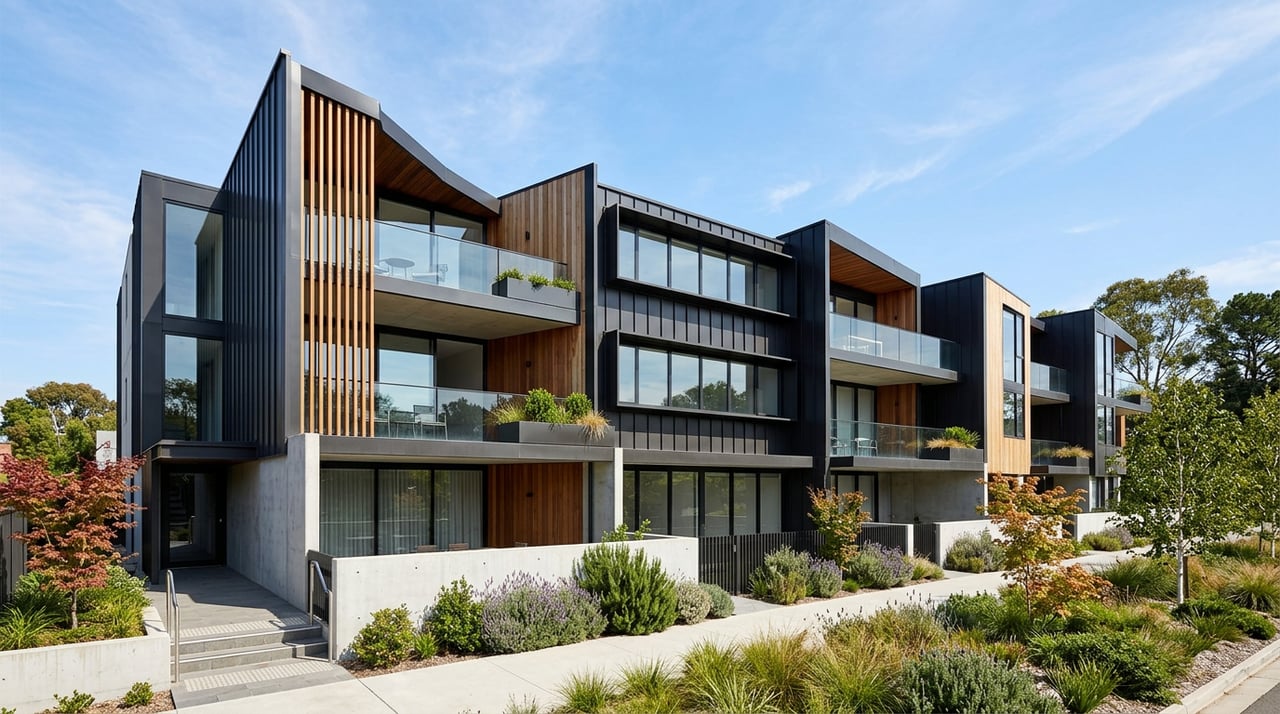
This is a building with shops or restaurants on the ground floor and condos or apartments above. You benefit from convenience, but you share more building systems and may interact with commercial operations like deliveries or kitchen ventilation.
Horizontal or town center
Homes, storefronts, and offices line public streets and shared spaces. You get a village feel with sidewalks and events. The mix of businesses can change over time, which affects the vibe and foot traffic.
Live/work units
These are residences with a dedicated workspace or small storefront. If you plan to operate a business, confirm what is allowed by zoning and your HOA before you buy.
Scott and everyday convenience
West Village sits within the Lafayette Metro area, with practical access to I‑10 and major corridors that connect you to central Lafayette employers, healthcare, and the University of Louisiana at Lafayette. Mixed-use settings often come with sidewalks, crosswalks, and lighting that support quick errands and outdoor routines. If you want a place where your morning coffee, dinner out, or a salon visit is a short walk from your door, this lifestyle can fit well.
Lifestyle upsides to consider
- Walkability for daily errands and dining can reduce your time in the car.
- Public spaces and events can create a strong sense of community.
- Newer construction often brings modern systems and finishes.
- Live/work options may open the door to an income opportunity if permitted.
- Sidewalks and bike-friendly design can make short trips easier.
Tip: Ask about planned tenant types and community programming so you understand what daily life looks like.
Tradeoffs to weigh
- Noise and activity: Restaurants, events, and delivery schedules can extend into the evening.
- Parking: Guest parking and on-street rules matter. Check how spaces are allocated and enforced.
- HOA fees: Shared plazas, landscaping, and commercial upkeep can raise assessments.
- Tenant turnover: A coffee shop today could become a different business later.
- Resale pool: Some buyers prefer detached homes, which can affect days on market.
- Financing and insurance: Mixed-use may follow different underwriting and valuation rules.
Tip: Visit at peak hours to gauge sound, smells, and traffic patterns near your preferred unit.
Due diligence checklist
Mixed-use living works best when you verify the details. Use this checklist as you tour and review documents.
Legal, title, and governance
- Ownership type: Confirm whether the unit is a condo or fee-simple townhouse, and review the deed language.
- HOA documents: Read CC&Rs, bylaws, budgets, reserves, rental rules, architectural guidelines, and any master association rules.
- Zoning and permitted uses: Confirm what businesses and hours are allowed today and in the future.
- Easements and access: Note service alleys, utility easements, and loading zones.
Commercial operations
- Tenant mix: Ask for a current and planned roster of business types and hours.
- Deliveries and waste: Clarify delivery times, loading areas, and grease trap policies for restaurants.
- Events: Understand frequency, hours, street closures, and noise expectations.
Physical and environmental
- Flood and drainage: Review FEMA flood maps, any elevation data, and recent stormwater upgrades for the site.
- Construction quality: Ask about sound insulation between floors, HVAC separation, and vibration control.
- Parking: Verify resident spaces, guest availability, ADA spots, and enforcement.
- Utilities and access: Learn trash pickup schedules, loading procedures, and service routes.
Financial and taxes
- HOA fees and assessments: Review current dues, what they include, and special assessment history.
- Tax history: Check assessor records for valuation trends and exemptions.
- Extra districts: Ask about any business improvement or special assessments that could add costs.
Quality of life fit
- Noise and light: Request any noise studies, and visit evenings and weekends.
- Walkability and safety features: Note sidewalks, crosswalks, lighting, and bike lanes.
- Services and schools: Map access to grocery, healthcare, major employers, and confirm school assignment with district resources.
Financing and insurance basics
Financing for mixed-use or live/work units can differ from a standard suburban home. Lenders look at the percentage of residential versus commercial use in a building. If the residential portion is dominant and you plan to live there, some conventional or government-backed loans may work. Requirements vary by lender and program, so it pays to start conversations early.
Appraisals can also take a different approach when commercial uses are present. Ask your lender what they will need up front. You should also review the building’s master insurance policy closely. Commercial operations can change liability exposure, and you may need additional coverage for your unit. In south Louisiana, check flood insurance requirements and pricing based on elevation, mitigation features, and claims history.
For taxes, confirm homestead exemption eligibility for your specific unit, and ask how any commercial space in a live/work unit is assessed.
On-site visit game plan
Get a feel for daily life before you write an offer. A smart field checklist can save you from surprises later.
- Visit multiple times: Midday weekday, weekend morning, and a lively evening.
- Talk to residents and business owners about noise, deliveries, and parking.
- Time your drive to I‑10 and central Lafayette during rush hour.
- Walk the sidewalks at dusk and note lighting and crossings.
- Track parking: Count open spaces for residents and guests at peak times.
- Listen and sniff: Music, kitchen exhaust, and refuse areas are best checked on site.
- Review documents: Request HOA financials, CC&Rs, reserve reports, and any recent special assessments.
Investment and resale lens
If you are thinking about long-term value, look for signs of demand and stability. Job growth in the Lafayette metro, momentum of nearby development, and a steady pipeline of quality tenants can support future resale. At the same time, watch for overbuild risk and high tenant churn, which can change the character of the area.
Compare price trends for condos and townhomes in Scott with nearby cities like Lafayette, Youngsville, and Broussard. Pay attention to absorption rates and days on market for similar mixed-use units. Seek out a local appraisal or opinion of value that reflects the specific mix of uses in West Village.
Is mixed-use right for you?
You might be a great fit for West Village if you value convenience, community events, and newer construction. You should be comfortable with a bit more activity near your front door, and you should be willing to review documents closely. If you prefer a quiet backyard with minimal foot traffic and predictable evenings, a detached home may suit you better.
Either way, the best next step is a focused tour with a clear checklist. Bring your questions about zoning, HOA rules, commercial tenants, parking, insurance, and lending. A little homework up front can turn a lifestyle wish list into a confident purchase.
If you want a guide who understands both the transaction and the design details that make mixed-use living comfortable, reach out to Jessica Broussard. Together, you can compare options, review the fine print, and decide if West Village is the right move.
FAQs
What is a mixed-use home in Scott?
- A residence located within a development that also includes shops, dining, offices, or services, arranged vertically in one building or horizontally in a town-center layout.
How noisy is living near shops and dining?
- Noise varies by tenant type, hours, and building design. Visit during busy evenings, review construction specs for sound insulation, and ask about event schedules.
Can I run a business from a live/work unit?
- It depends on zoning, HOA rules, and your deed or lease. Confirm permitted uses, licensing needs, signage rules, and operating hours before you buy.
Are HOA fees higher in mixed-use areas?
- They can be. Shared plazas, landscaping, and commercial maintenance may increase dues. Review budgets, reserves, and any special assessment history.
Will I need flood insurance in West Village?
- Many south Louisiana properties require it. Check FEMA flood maps, your elevation certificate, and lender requirements to understand coverage and cost.
Is resale harder for a mixed-use condo?
- The buyer pool can be more specific, which may affect days on market. Compare local sales of similar mixed-use units and track demand drivers in Lafayette metro.