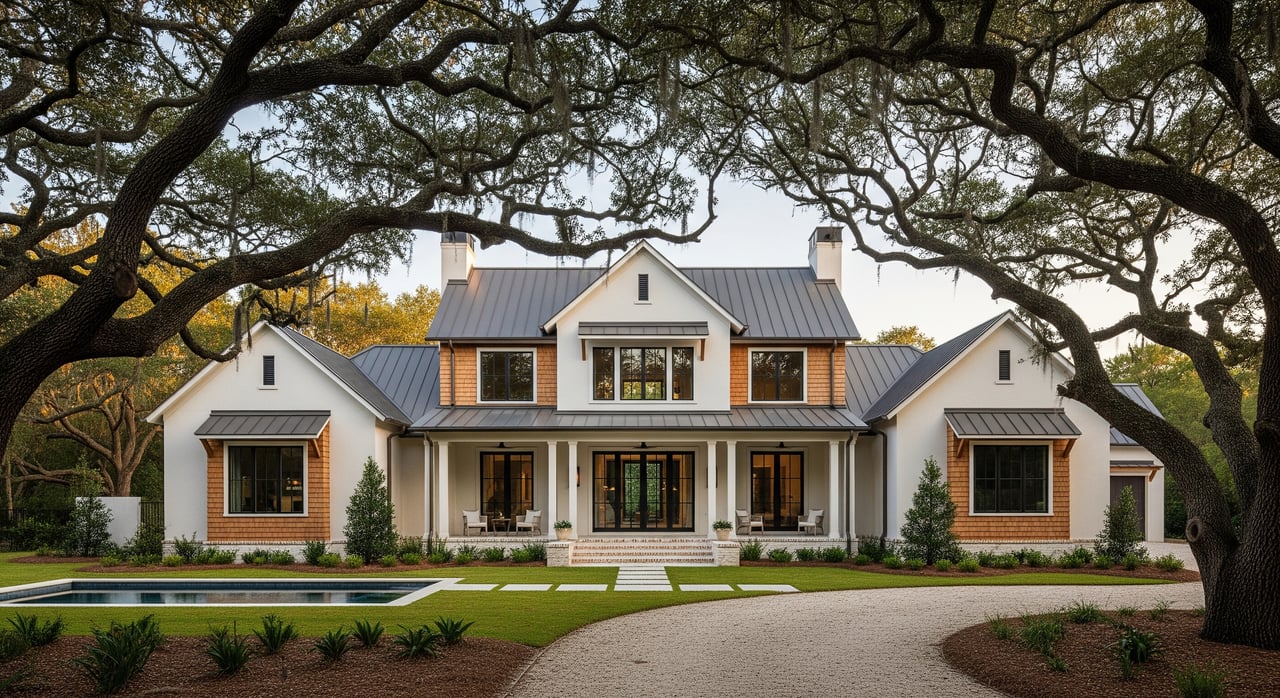
Trying to decide between a spec home and a custom build in south Lafayette? The choice shapes your budget, timeline, and how much say you have in every detail. If you are eyeing neighborhoods in 70508, you also need to factor in flood zones, soil conditions, and local permitting. This guide breaks down each path so you can pick the right fit with confidence and avoid costly surprises. Let’s dive in.
What each build type means
Spec homes
A builder owns the lot and builds a home without a buyer under contract. You purchase the finished product when it is complete or near complete. Design changes are minimal, and the layout is set. You benefit from speed and a simpler process.
Semi-custom homes
You choose from a builder’s catalog of floor plans and prepriced options in a development. You pick finishes and sometimes make minor plan adjustments early in the process. Costs are more predictable than full custom, and you get some personalization.
Fully custom homes
You design a one-of-a-kind home with an architect and a custom builder. You control layout, features, and finishes. It takes more time, more decisions, and typically costs more, but the result is unique to you.
Timeline in Lafayette 70508
Typical ranges depend on permits, site conditions, weather, and local labor availability.
- Spec: about 4 to 9 months once permits are issued.
- Semi-custom: about 6 to 12 months after plans and permits are set.
- Fully custom: about 9 to 18 months or longer, especially with complex designs.
Spec homes move faster because builders repeat plans, preorder materials, and keep crews scheduled. Custom plans need more design work and reviews, and change requests can extend the finish stage.
Cost drivers to plan for
Each path prices out differently, and local factors in 70508 can add or save.
- Lot and sitework. Lot price is a major share of total cost. Raw or unique parcels may need more grading, drainage, or an engineered foundation.
- Flood elevation and drainage. If a parcel is in a flood zone, local floodplain rules and Base Flood Elevation can raise foundation costs. Verify the parcel on the FEMA Flood Map Service Center.
- Utilities and tap fees. Confirm municipal water and sewer or plan for septic. Extensions and taps add cost.
- Design and selections. Semi-custom options add a moderate premium over spec. Fully custom often runs 20 to 50 percent more than a comparable spec, depending on complexity and finishes.
- Landscaping and hardscape. Driveways, fencing, and landscape packages are sometimes excluded from base pricing.
- Change orders. Mid-build changes increase cost and time. Get selections and options in writing before you start.
In general, spec homes have the lowest base cost per square foot because of scale and speed. Semi-custom carries a manageable premium for flexibility. Fully custom delivers full control with the highest price and longest timeline.
Design control and resale
If you want to move quickly and keep decisions simple, a spec home fits. Semi-custom lets you choose key finishes and sometimes tweak the plan. Fully custom gives you complete control, which can be exciting but also time intensive.
For resale, highly unique features can narrow future buyer appeal. Quality materials and neutral, cohesive finishes often preserve value across market cycles.
Financing differences
Spec homes typically close with a standard mortgage since the home exists at completion. Semi-custom and custom often use a construction-to-permanent loan, which may require higher credit standards, more documentation, and interest-only draws during construction. For a clear overview, review the CFPB’s guidance on construction loans.
Ask lenders about rate locks, single-close options, and contingency reserves for unexpected costs. Know how and when your construction loan converts to the permanent mortgage.
Warranties and inspections
Many new homes follow a common pattern: 1 year for workmanship and materials, 2 years for mechanical systems, and up to 10 years for structural coverage. Builders often use third-party programs such as 2-10 Home Buyers Warranty for defined coverage and claims processes.
Even with a warranty, order independent inspections at key stages. Pre-pour, framing, and final inspections help catch issues early and document quality.
Lafayette must-checks before you choose
Getting the local details right can save money and stress.
- Flood zones and elevation. Check your parcel on the FEMA Flood Map Service Center. Confirm Base Flood Elevation and local elevation requirements.
- Soil and drainage. South Louisiana soils vary. For custom or complex builds, a geotechnical report helps avoid foundation surprises.
- Utilities. Verify water, sewer, gas, and power availability, plus any tap or impact fees.
- HOA and architectural controls. Subdivisions may limit exterior designs, fences, and landscaping choices.
- Permitting and inspections. Permits are handled by Lafayette City/Parish. Start with Lafayette Consolidated Government for current processes and timelines.
- Labor and subs. Local trade availability affects scheduling. Ask builders how they staff projects and handle supply lead times.
How to vet your builder
Choosing the right builder shapes your experience as much as the plan.
- Confirm licensing, general liability, workers’ comp, and builder’s risk insurance.
- Review a local portfolio. Walk completed homes in or near 70508 and inspect workmanship.
- Get references from recent clients and follow up.
- Ask for the written warranty, coverage terms, and service process.
- Review financial stability, especially for large projects or pre-sales.
- Examine the contract. Make sure scope, price, schedules, allowances, and change-order rules are clear.
- Look for long-term relationships with subcontractors for quality and schedule reliability.
Red flags include vague bids, unusual price lows without detail, slow communication, and missing warranty documentation.
Which path fits your goals?
- Choose spec if you want the fastest move-in, a simpler process, and the lowest base cost per square foot. You accept limited design changes.
- Choose semi-custom if you want curated choices with predictable pricing. You select a plan and finishes, and you can often move in faster than full custom.
- Choose custom if you have a specific vision, a flexible timeline and budget, or you already own a lot. You get full control but should be ready for more decisions.
Quick decision checklist for 70508 buyers
- Budget and financing: Are you prepared for construction loan requirements, or do you prefer a standard mortgage at close?
- Timeline: Do you need to move in quickly, or can you wait for design and build?
- Design priorities: Are unique layouts and features essential, or will curated builder options meet your needs?
- Lot factors: What are the flood zone, elevation, utilities, and HOA rules for your parcel or target subdivision?
- Resale horizon: If you might sell in a few years, will your selections appeal to a broad market?
- Involvement: How much time do you want to spend on selections, site meetings, and decisions?
Ready to explore lots, compare builders, and map out selections that fit your lifestyle? Partner with a local advisor who blends market expertise with design guidance. Build with Jessica Broussard for a smoother process from lot to move-in.
FAQs
What is a spec home in Lafayette 70508?
- A spec home is built by a builder without a buyer under contract, then listed for sale when complete, giving you fast move-in with limited design changes.
How long does a custom build take in south Lafayette?
- Most fully custom homes take about 9 to 18 months or more, depending on design complexity, permitting, weather, sitework, and local labor availability.
Do I need a construction loan for semi-custom builds?
- Often yes. Many semi-custom and custom projects use construction-to-permanent loans with interest-only draws, then convert to a standard mortgage at completion.
How do flood zones affect building costs in Lafayette?
- Parcels in flood zones may require higher finished floor elevations and specific foundation work, which add cost. Check your parcel on FEMA’s Flood Map Service Center.
What kind of new-home warranty is typical here?
- Many builders offer a 1 year workmanship, 2 years systems, and up to 10 years structural pattern, sometimes backed by a third-party provider.
Can I change floor plans in a semi-custom community?
- It depends on the builder. You can usually select from plan options and finishes before construction starts, with major layout changes approved only early in the process.