Choosing where to live in Lafayette is not just about picking a map pin. It is really about choosing how you want your days to feel. If you are trying to decide between downtown energy, suburban breathing room, or a neighborhood with built-in shops and gathering spaces, this guide will help you sort through the options with more confidence. Let’s dive in.
Why lifestyle matters in Lafayette
Lafayette is big enough to offer distinct ways of living, yet compact enough that those choices still connect to each other. The city had an estimated population of 122,280 in 2024 across 55.82 square miles, while nearby Youngsville reached 19,980 residents in 2025 and Scott reached 9,635.
That matters because your decision is often less about a neighborhood name and more about your everyday routine. In the Lafayette area, the clearest lifestyle patterns tend to fall into three categories: urban, suburban, and mixed-use.
Urban living in Downtown Lafayette
If you want convenience built into your day, Downtown Lafayette stands out. Local planning materials describe downtown as a mixed-use center with retail, office space, services, restaurants, and housing in a walkable setting served by transit.
Downtown Lafayette’s local organization also describes the district as the city’s core cultural district. It is centered on food, arts, music, shopping, and public events, which gives daily life there a noticeably different rhythm from more residential parts of the area.
What downtown daily life looks like
Downtown is under 2 square miles and is designed for getting around without depending on your car for every stop. The district has sidewalks on every street, 75 recently added bike racks, the Rosa Parks Transportation Center, metered street parking, and a 530-space garage.
It is also a little over 2 miles from Lafayette Regional Airport. For you, that can mean easier errands, simpler nights out, and more flexibility when you want to be close to civic and cultural activity.
Who downtown may fit best
Downtown may be the right match if you like the idea of:
- Walking to restaurants or events
- Biking more often
- Living near arts, music, and festivals
- Having transit access nearby
- Trading larger yards for location and convenience
This option is often less about extra land and more about access. If your ideal day includes spontaneity and a stronger connection to the city center, downtown deserves a close look.
Suburban living near Lafayette
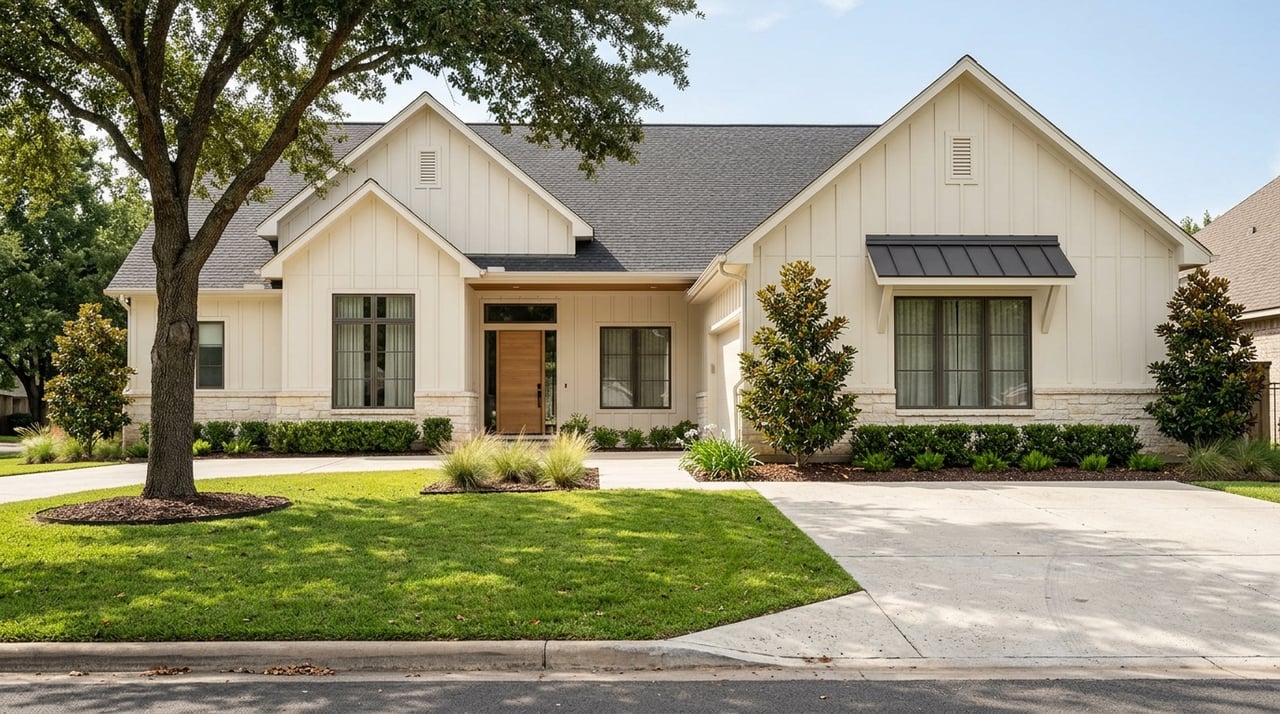
If your priority is a more traditional residential routine, suburban areas around Lafayette may feel more natural. Youngsville and Scott each offer a different version of that experience, with more space between destinations and a day-to-day pattern that is generally more car-based than downtown.
For many buyers, suburban living is appealing because it can offer newer development, a quieter residential feel, and a layout that separates home life from shopping, dining, and work.
Youngsville’s growth and neighborhood feel
Youngsville is one of the clearest examples of suburban growth in the Lafayette area. Census data show the city growing from 15,929 people in 2020 to 19,980 in 2025, which is a 25.5% increase.
The city’s official materials highlight new neighborhoods, restaurants, the sports complex, and community programming. Its events page includes categories such as farmers market, parks and recreation, Sugar Jam, and Youngsville Sports Complex, which points to a community where residential growth and local activities are both part of the lifestyle.
If you want a suburban setting with continued development and a full community calendar, Youngsville may check a lot of boxes.
Scott’s suburban option close to Lafayette
Scott offers a smaller-scale suburban choice within the greater Lafayette area. With a population of 9,635 in 2025, it can appeal to buyers who want a more conventional residential feel without getting too far from Lafayette’s core.
One example is West Village, a newer development in Scott that plans to include nearly 300 homesites and several multifamily apartments. That makes Scott worth considering if you want suburban living that still keeps Lafayette close at hand.
Who suburban living may fit best
A suburban setting may work well for you if you want:
- A more traditional neighborhood layout
- Newer housing options in some areas
- A daily routine that centers around driving
- A residential feel that is separate from downtown activity
- Flexibility to explore different parts of the Lafayette area
Suburban living is often a strong match when you want home to feel more tucked away from the busiest parts of the city.
Mixed-use communities in Lafayette
If you want something between urban and suburban, mixed-use communities can offer a middle ground. In Lafayette, River Ranch and Sugar Mill Pond are two of the most recognizable examples.
These communities blend homes with shops, services, dining, and shared amenities. That can create a lifestyle where some of your routine is embedded in the neighborhood itself, without putting you in the middle of downtown density.
River Ranch: convenience with a neighborhood feel
The Village of River Ranch is a prominent local example of a mixed-use, New Urbanism-style community. Its official site says the development is south of the Vermilion River in Lafayette and is designed around broad sidewalks, a mix of retail, dining, and professional services, and a town-square model.
The community also highlights bike paths, hiking trails, parks, and convenient access to downtown Lafayette, Youngsville, Broussard, the airport, and major highways. For many buyers, River Ranch offers a balance between accessibility and a more contained neighborhood atmosphere.
Sugar Mill Pond: a suburban mixed-use model
Sugar Mill Pond in Youngsville has a similar concept, but with a stronger suburban backdrop. It has been described as a 509-acre neo-traditional neighborhood with tree-lined streets, sidewalks, front porches, common grassy areas, an amphitheater, boat rentals, restaurants, coffee or yogurt shops, a walking path around the pond, Palfrey Park, and an 8-acre pond.
The City of Youngsville’s events calendar also regularly tags Sugar Mill Pond and Sugar Jam as community features. That reinforces the idea that activity is not only near the neighborhood, but often happens within it.
What to know about community rules
Mixed-use communities can feel polished, organized, and convenient. They can also come with more formal rules than a standard subdivision.
River Ranch notes strict architectural covenants and building codes. Sugar Mill Pond resident materials and covenants also describe restrictions on signs, vehicles, and exterior changes.
That does not make these communities better or worse. It simply means you should weigh the trade-off carefully. If you value consistency and a curated neighborhood feel, these rules may be a plus. If you want more freedom to make exterior changes, you may prefer a more traditional setting.
How to compare Lafayette lifestyle options
If you are narrowing down where to live, it helps to compare your choices based on how you actually spend your time. The best fit usually comes from matching your routine, not just your wish list.
Ask yourself these practical questions:
- How important is walkability in your daily life?
- Do you want shops, dining, or services inside the neighborhood?
- How much driving are you comfortable with each week?
- Do you want a city-center feel or a more residential setting?
- Would neighborhood rules feel helpful or restrictive?
- How important are lot size, parking, and access to amenities?
A simple way to think about each option
Downtown Lafayette may fit best if you want walkability, transit access, parking options, and frequent access to events, restaurants, and cultural activity.
Youngsville or Scott may fit best if you want a more traditional suburban routine, newer housing in some areas, and a day-to-day lifestyle that is more car-dependent.
River Ranch or Sugar Mill Pond may fit best if you want neighborhood convenience, built-in amenities, and community activity without living in a denser downtown environment.
Choosing the right fit for your next move
The real question is not only where you want to live. It is how much of your life you want built into the place around you.
Some buyers want to step outside and be close to restaurants, events, and public gathering spaces. Others want a quieter residential rhythm with room to spread out. And some want a middle ground where the neighborhood itself creates convenience and connection.
As you compare Lafayette, Youngsville, Scott, and mixed-use communities like River Ranch and Sugar Mill Pond, focus on your habits first. When you understand the lifestyle you want, the right location usually becomes much clearer.
If you want help weighing neighborhoods, comparing new construction opportunities, or finding a home that matches the way you actually live, Jessica Broussard can guide you through the process with local insight and a design-forward perspective.
FAQs
What is urban living like in Downtown Lafayette?
- Downtown Lafayette offers a walkable, bikeable setting with sidewalks on every street, transit access through the Rosa Parks Transportation Center, parking options, and close access to restaurants, arts, music, shopping, and public events.
What makes Youngsville a suburban option near Lafayette?
- Youngsville offers a more traditional suburban lifestyle with continued population growth, newer neighborhoods, community events, and a more car-based daily routine than downtown Lafayette.
What makes Scott a suburban choice in the Lafayette area?
- Scott offers a smaller-scale suburban setting near Lafayette, with newer development examples like West Village and a more conventional residential feel than downtown or a mixed-use town center.
What is a mixed-use community in the Lafayette area?
- A mixed-use community combines housing with things like dining, retail, services, and shared amenities, creating a neighborhood where more of your daily routine can happen close to home.
What should buyers know about River Ranch and Sugar Mill Pond?
- River Ranch and Sugar Mill Pond offer built-in convenience, shared amenities, and active community settings, but they may also include more formal covenants or restrictions than a standard subdivision.
How do you choose between urban, suburban, and mixed-use living in Lafayette?
- Start by comparing walkability, commute patterns, parking, lot size, neighborhood amenities, and how comfortable you are with community rules. The best choice usually depends on how you want daily life to function.