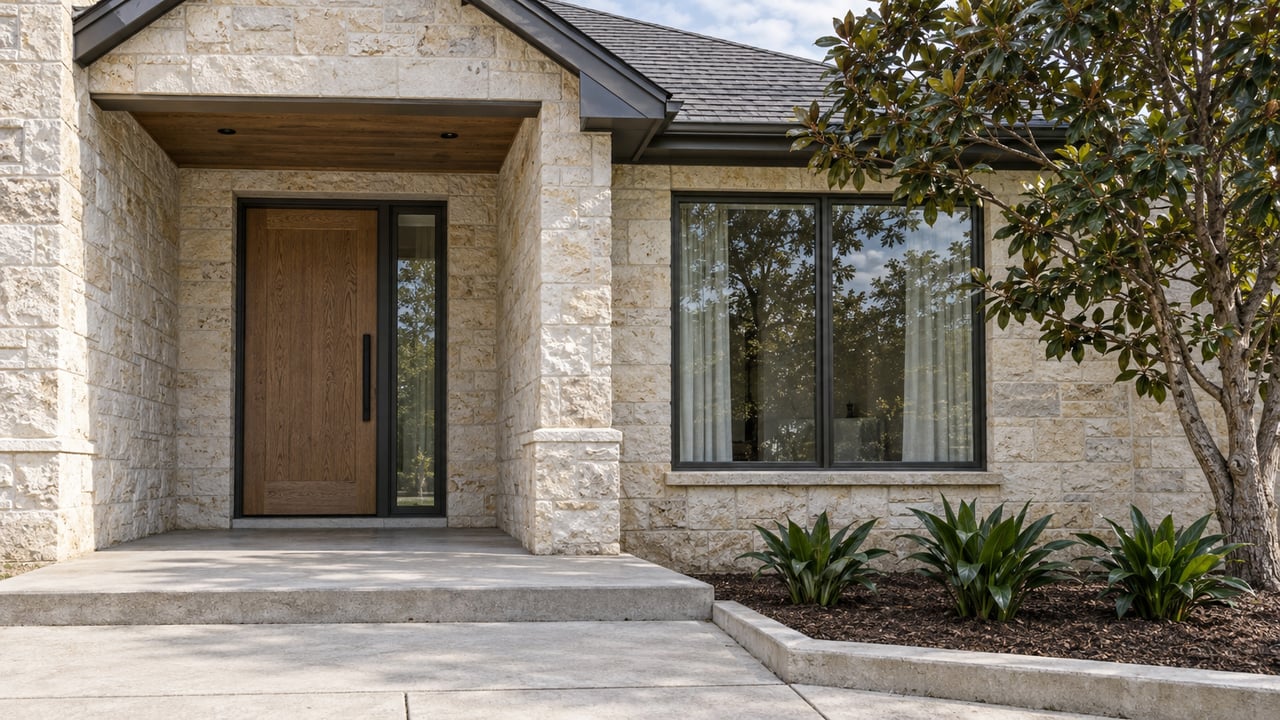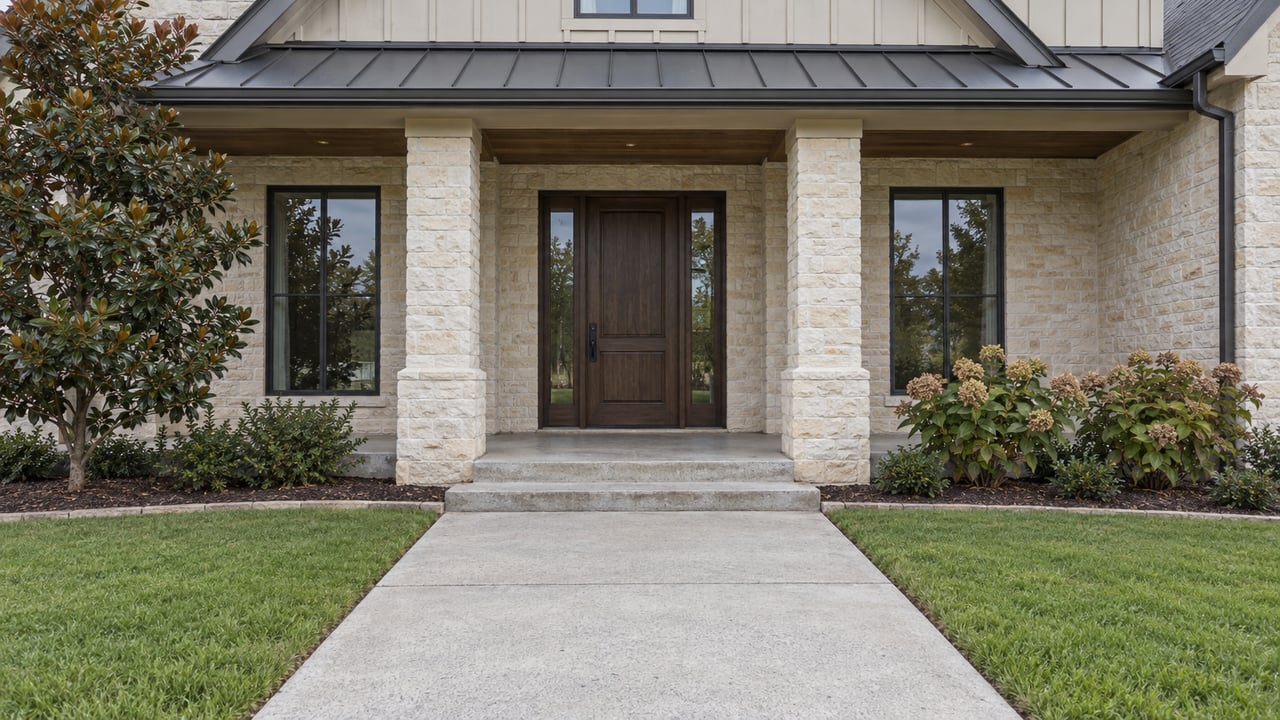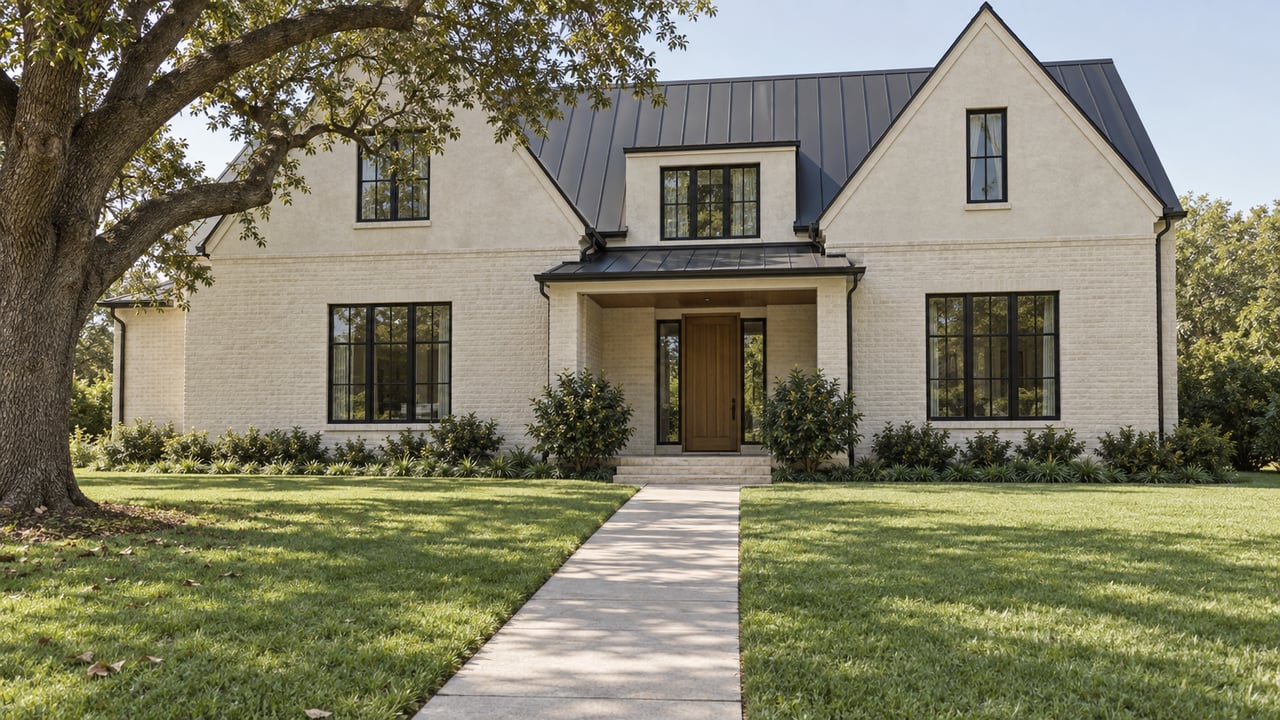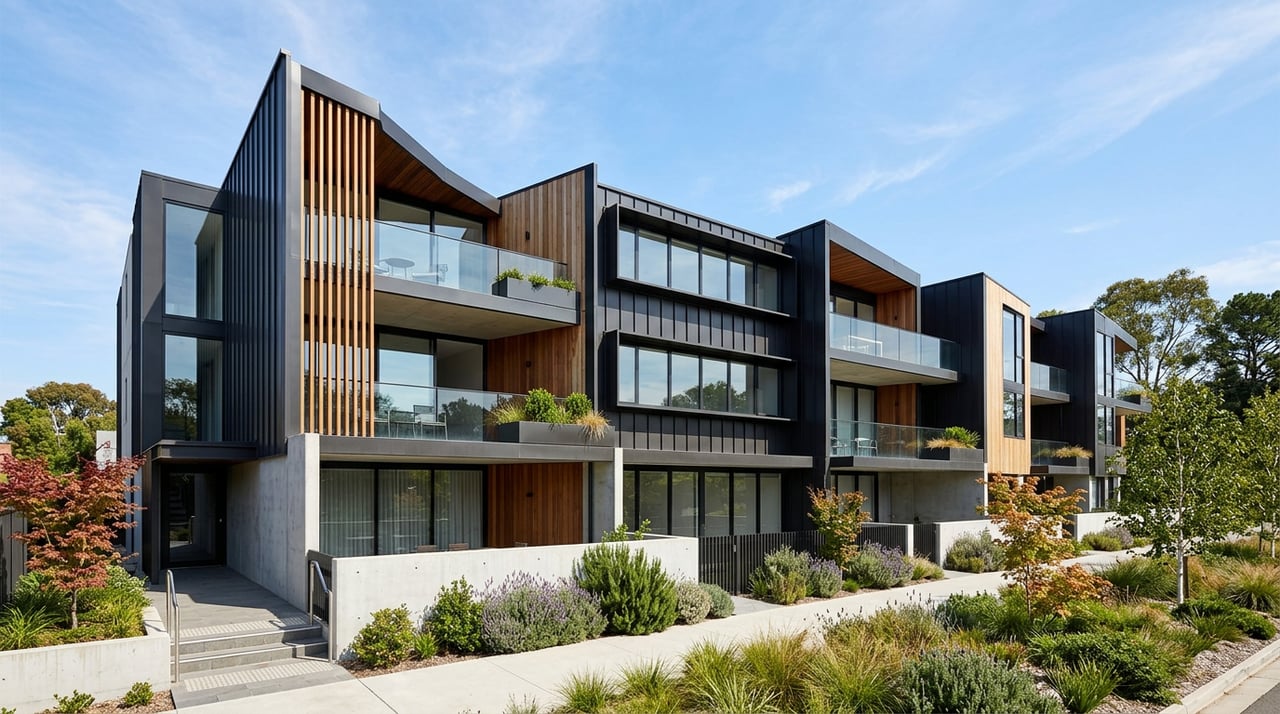
If you are looking at Scott West Village, you are not just buying a house. You are buying into a mixed-use setting where homes, services, and commercial activity can overlap in ways that feel convenient but also require closer review. That can be exciting if you want flexibility, walkability, or investment potential, and this guide will help you understand what to check before you make a move. Let’s dive in.
Why Scott West Village Stands Out
Scott West Village is a 143-acre master-planned Traditional Neighborhood Development in Scott. It is designed as a mixed-use community with homesites, apartments, and commercial retail, with a layout centered around walkability to dining, shopping, healthcare, banking, groceries, parks, and a town square.
That setup gives the area a different feel from a standard subdivision. The master plan also highlights amenities like a fitness center, resort-style pool, playground, walking trails, stocked ponds, and passive parks, which adds to its appeal for buyers who want convenience and shared spaces close to home.
The area around Apollo Road and West Village is also still growing. According to the City of Scott, recent development includes new residential phases and commercial openings such as medical offices, a bank, a dentistry practice, an insurance office, and a daycare, which shows the corridor is continuing to build out as a service-focused area.
What Live-Work and Town Center Homes Mean
A live-work or town center home can offer more flexibility than a traditional residential property. In a mixed-use environment, you may be looking at a home near active commercial spaces, or a property where residential use and business use may both be part of the conversation.
That difference matters because these properties do not always behave like a typical single-family home. Value, financing, marketability, and future resale can all be affected by how much of the property is residential, what type of business use is involved, and whether that use fits local rules.
In simple terms, you are evaluating both a place to live and the setting around it. Things like parking, customer access, signage, deliveries, and foot traffic can matter more here than they would in a conventional neighborhood.
Why Financing Can Be More Nuanced
For mixed-use properties, lenders and appraisers usually take a closer look. Fannie Mae says a mixed-use appraisal must describe the mixed-use characteristics, confirm that the use is legal under local zoning, and report any adverse impact on marketability from the commercial component.
Fannie Mae also says the property is valued based on its residential characteristics rather than special business modifications. That is an important distinction if you are hoping a business setup will automatically raise value, because lenders may not view those improvements the same way you do.
Freddie Mac adds another key point for residential mixed-use property. The property must be a one-unit primary residence, be primarily residential and typical for the market area, be legal under zoning, and if there is commercial use, the borrower must own and operate the business.
That means your financing path may depend heavily on how you plan to use the property. A home with a small business component may fit one type of loan structure, while a property with a more significant commercial element may need a different approach.
Why Zoning Must Be Confirmed Early
One of the biggest mistakes a buyer can make is assuming a property is automatically approved for a certain use because of the development name or overall branding. In Scott, that is not something you want to leave until after closing.
Scott updated its land-use map and ordinance in 2024, and the city provides forms for occupational licenses, commercial permits, code exceptions, variances, and site-plan applications. That signals an important reality: intended use should be verified parcel by parcel.
If your planned use is not clearly allowed, the process can get more involved. Scott’s code-exception process requires legal notice, written notice to property owners within 300 feet, posting on the site, and review through the Planning Commission and City Council.
For you as a buyer, that means zoning confirmation should be part of your pre-closing due diligence. It is much better to know early whether your plans fit the current rules than to discover later that you need approvals, hearings, or a variance.
Key Due Diligence Questions to Ask
If you are considering a live-work or town center property in Scott West Village, ask direct questions as early as possible. A little extra diligence up front can protect your timeline, budget, and long-term plans.
Here are some of the most important questions to raise:
- Is the parcel zoned for your intended use?
- Will your plan require a code exception or variance?
- Will the lender classify the property as residential, investment, or commercial?
- If there is business use, must the borrower own and operate that business?
- What percentage of the building is residential versus commercial?
- How will parking, signage, deliveries, and customer access work?
- Is flood insurance required?
- What do the drainage and elevation documents show?
- How will tax treatment work for owner-occupied and business-use portions?
These are not minor details. They can shape financing options, monthly costs, approval timelines, and resale potential.
Flood, Infrastructure, and Location Details Matter
In a fast-growing corridor, you also want to look beyond the home itself. City-level infrastructure and flood-related details can affect both your costs and your comfort level with the property.
Scott’s 2025 State of Scott report says Apollo Road sewer expansion is planned and LA 93 improvements are advancing. That is useful context if you are buying in or near an area that is still developing, because nearby infrastructure work can influence access, utility planning, and future growth patterns.
The same report says Scott maintains a CRS score of 7, which the city says saves homeowners in flood areas about 15 percent on flood insurance. Even so, you should still ask about the exact property’s flood zone, elevation certificate, drainage, and whether planned improvements affect the specific block you are considering.
Tax Treatment Is Worth Clarifying
For owner-occupants in Louisiana, the homestead exemption can be a meaningful benefit. The Louisiana Constitution provides a bona fide homestead exemption for an owner-occupied primary residence, exempting up to $7,500 of assessed valuation from state, parish, and special ad valorem taxes.
With a mixed-use property, though, you should not assume the full property will be treated the same way as a standard primary residence. A practical question is how any nonresidential square footage or business use may be handled for assessment purposes.
That is why it is smart to confirm tax treatment before you finalize your numbers. If you are building your budget around a homestead-based estimate, you want to know exactly how the property may be classified.
The Investment Case for Scott West Village
For the right buyer, Scott West Village can offer a compelling mix of lifestyle and long-term potential. The community’s walkable design, town-center setting, amenities, and ongoing commercial growth create a different type of real estate opportunity than a traditional neighborhood on the edge of town.
That does not mean every property will fit every goal. The strongest investment decisions here usually come from matching the property to your actual use, financing strategy, and comfort with a more active mixed-use environment.
If you want convenience and flexibility, a town center or live-work home may check boxes that a conventional home cannot. If you value a quieter, more purely residential setting, you may want to compare carefully before you commit.
How to Buy More Confidently
The best approach is to slow down and verify the details that matter most. In a community like Scott West Village, a smart purchase is not just about liking the floor plan or the streetscape. It is about understanding zoning, financing, taxes, flood considerations, and the way the surrounding commercial activity may affect your use of the property.
That is where local guidance can make a real difference. When you have someone helping you evaluate both the transaction details and the practical fit of the property, it is much easier to move forward with confidence.
If you are exploring homes, town center opportunities, or new construction options in Scott and the greater Lafayette area, Jessica Broussard can help you think through the details, compare your options, and make a move that fits your goals.
FAQs
What is Scott West Village in Scott, Louisiana?
- Scott West Village is a 143-acre master-planned Traditional Neighborhood Development in Scott with homesites, apartments, commercial retail, walkable services, and community amenities.
What makes a live-work home different from a standard home in Scott?
- A live-work home may involve both residential and business considerations, which can affect zoning, financing, appraisal, parking, signage, deliveries, and resale.
What should buyers verify before purchasing a mixed-use home in Scott West Village?
- Buyers should confirm parcel-specific zoning, intended-use approval, lender classification, flood details, parking and access logistics, and how the property may be taxed.
Can a mixed-use home in Scott qualify for residential financing?
- It may, depending on the property and intended use. Fannie Mae and Freddie Mac guidance shows that legal zoning, residential marketability, and the extent of business use all matter.
Why is zoning so important for Scott live-work properties?
- Scott provides processes for permits, code exceptions, variances, and site-plan review, so buyers should confirm that their intended use is allowed before closing rather than assuming it is permitted.
What flood-related questions should buyers ask in Scott West Village?
- Buyers should ask about the property’s flood zone, elevation certificate, drainage conditions, flood insurance requirements, and whether infrastructure improvements are planned near the specific block.